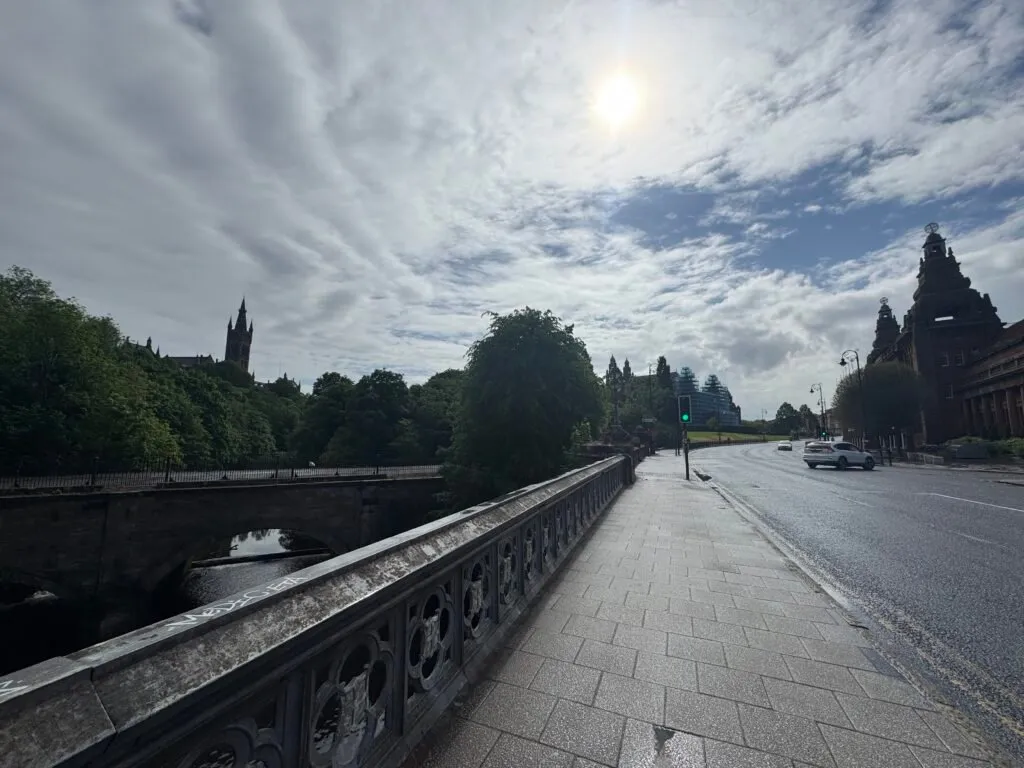
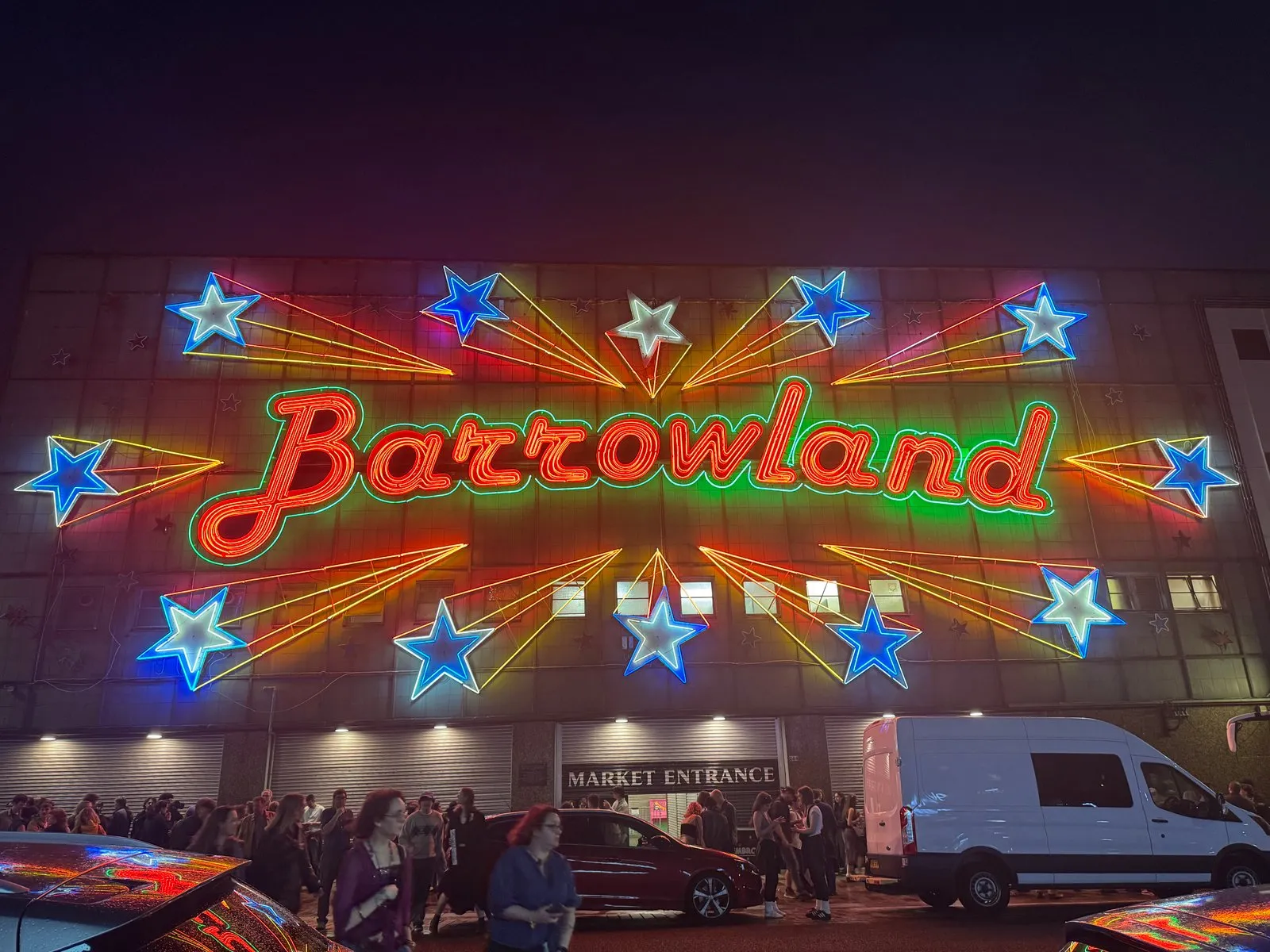
Last night we returned home to Belfast after a weekend in Scotland (mostly Glasgow). I went to see Big Thief there at the beautiful Barrowland Ballroom. I generally go on these weekend concert trips on my own, because The Good Lady Paralegal Her Indoors has no interest in live music (or the bands that I listen to). This time, though, the gig was on Sunday night and I had planned to take Monday off, so she suggested we make a long weekend out of it. Instead of me flying out on my own on Sunday to return on Monday, we both went on Saturday to spend 2 nights in Glasgow.
We had been to the city before on our trip to Scotland two years ago. I had visited again on my own to see Larkin Poe in 2025. The plan this time was to walk around Glasgow on Saturday, head over to Edinburgh on Sunday morning (and come back in time for the gig), and to see more of Glasgow on Monday before we flew back.
Saturday
Kelvingrove
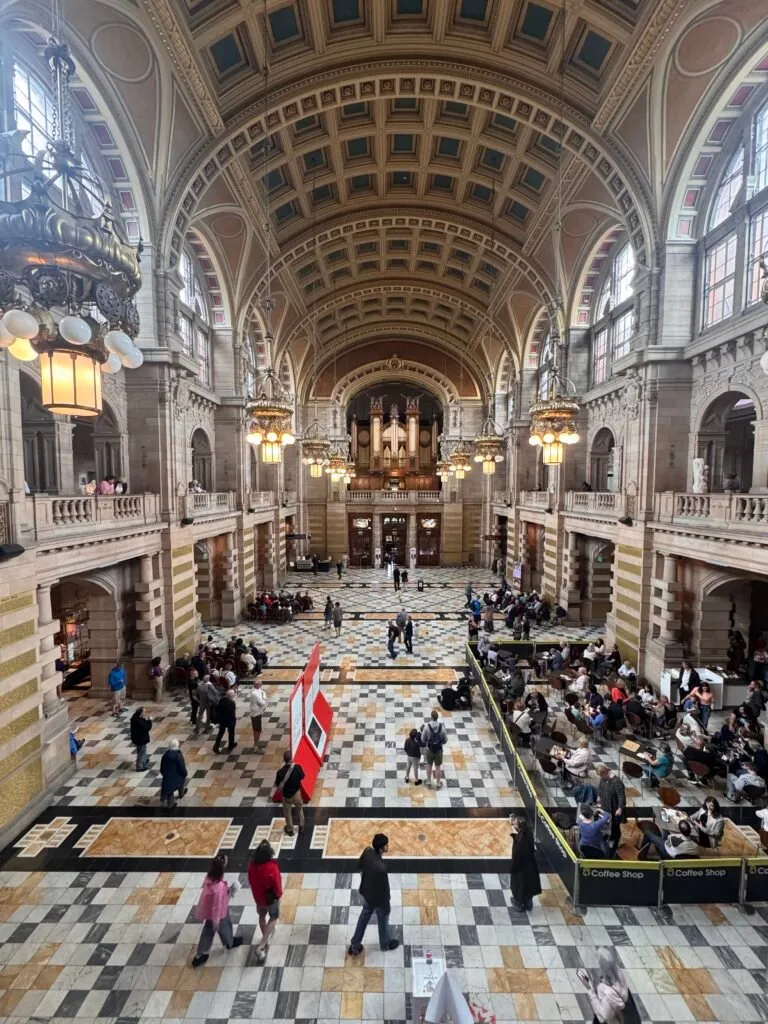
We spent the entire morning at Kelvingrove Art Gallery and Museum. This was one of our highlights of the previous trip and we’ve always wanted to go back to spend more time there. The museum houses a wide variety of exhibits on natural history, Scottish history, and Egyptian antiquities (on loan from the British Museum). It is also refreshingly honest about the glaring atrocities of Britain’s colonial past and the part Glasgow played in it. Throughout the museum, thoughtfully written plaques call into question the enforcers of the empire who are memorialized—with buildings and roads named after them and statues built in their name—in the annals of history. But Kelvingrove is a must-visit not just because of this; the breadth of its collection alone is remarkable.
There is a large pipe organ in the central hall of the museum, which is played every day at 1pm. Visitors stop browsing and gather in the hall and on the surrounding balconies to witness the recital. It’s truly magnificent.
Having had our fill of history and culture at Kelvingrove, we headed to Mother India, an Indian restaurant across the road, for lunch. We discovered the place on our last visit and were quite impressed by the quality of the food there. Belfast has its share of Indian restaurants; sadly, every single one we’ve tried has either been overpriced or served offensively bland food, or both. We had to come back here for the real thing.
Grosvenor Picture Theatre
Unsurprisingly, I wanted to visit a film theatre while in Glasgow. I picked The Grosvenor Picture Theatre mostly because the website reads, “Glasgow’s oldest cinema has been lovingly restored to offer a truly unique experience for film lovers.” This sounded like the perfect place to watch (the 20-year old!) Kane Parsons’ Backrooms, which had been on my watchlist ever since I read about it on the A24 newsletter.
The cinema is cozily tucked away on Ashton Lane, surrounded by several bars. Being a Saturday night, it was as busy as it could get, with throngs of people milling about. When we walked into screen 2, the first thing I noticed was how the thumping bass from the music playing outside was leaking through. I chose to ignore this and settled in to see the film, which sadly did not turn out to be an enjoyable experience. It was ruined by people walking in and out of the cinema constantly—some jumping over seats to do so!—and a group of (possibly drunk) teenagers interjecting every so often, whom the manager eventually had to throw out.
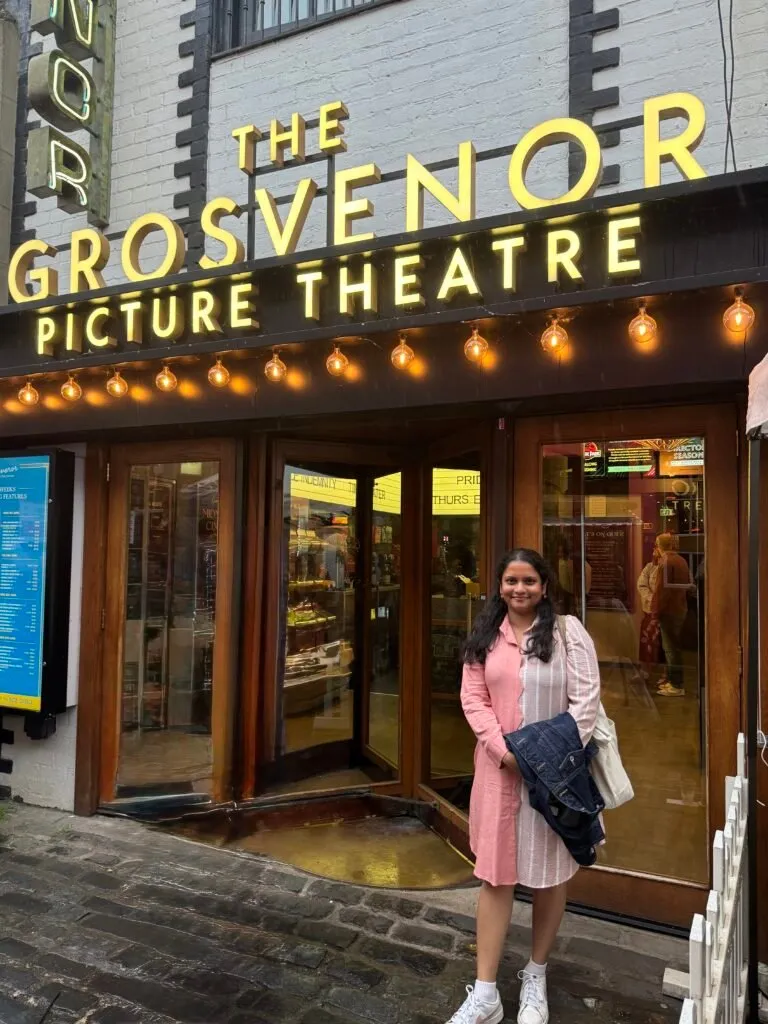
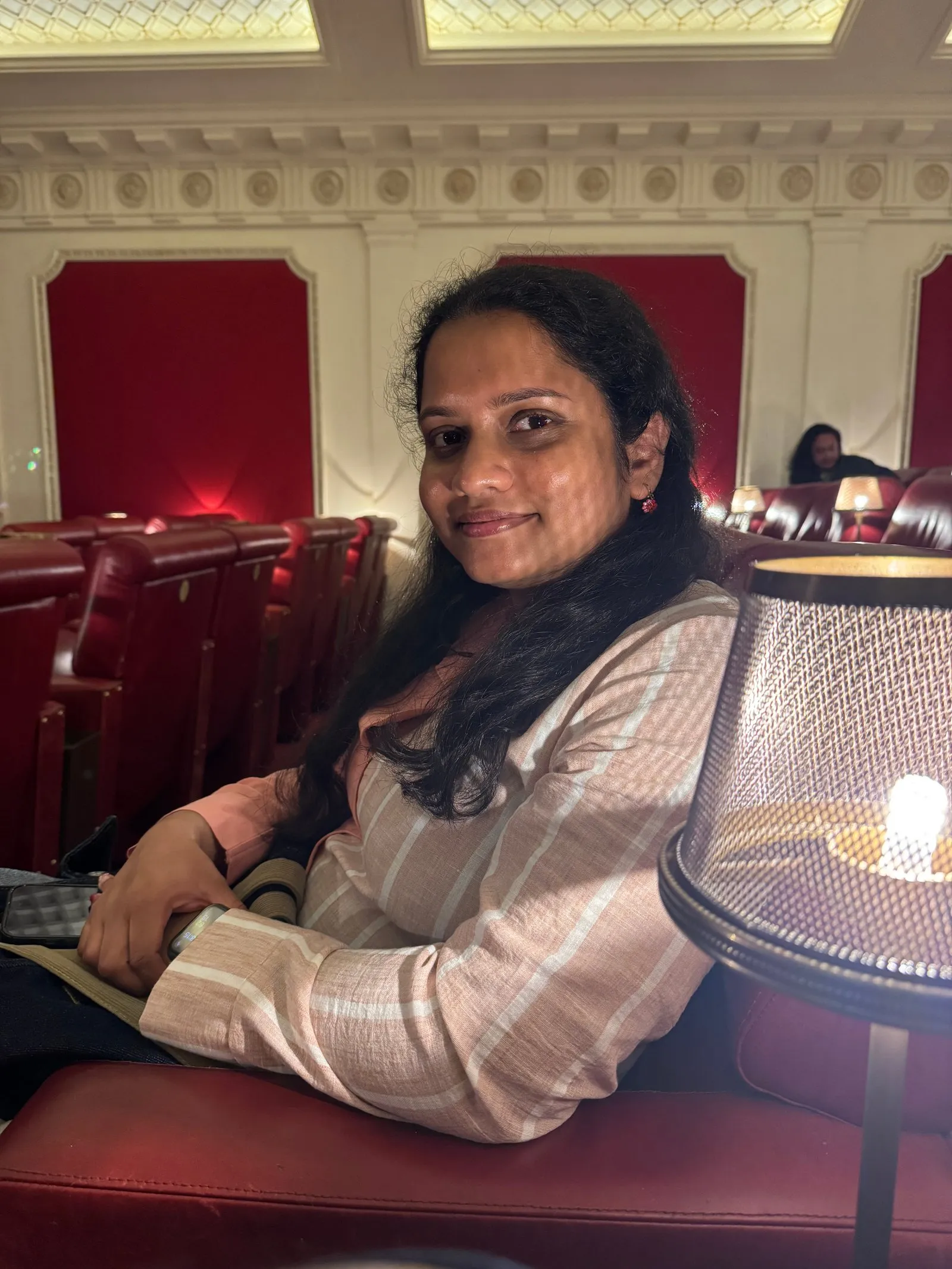
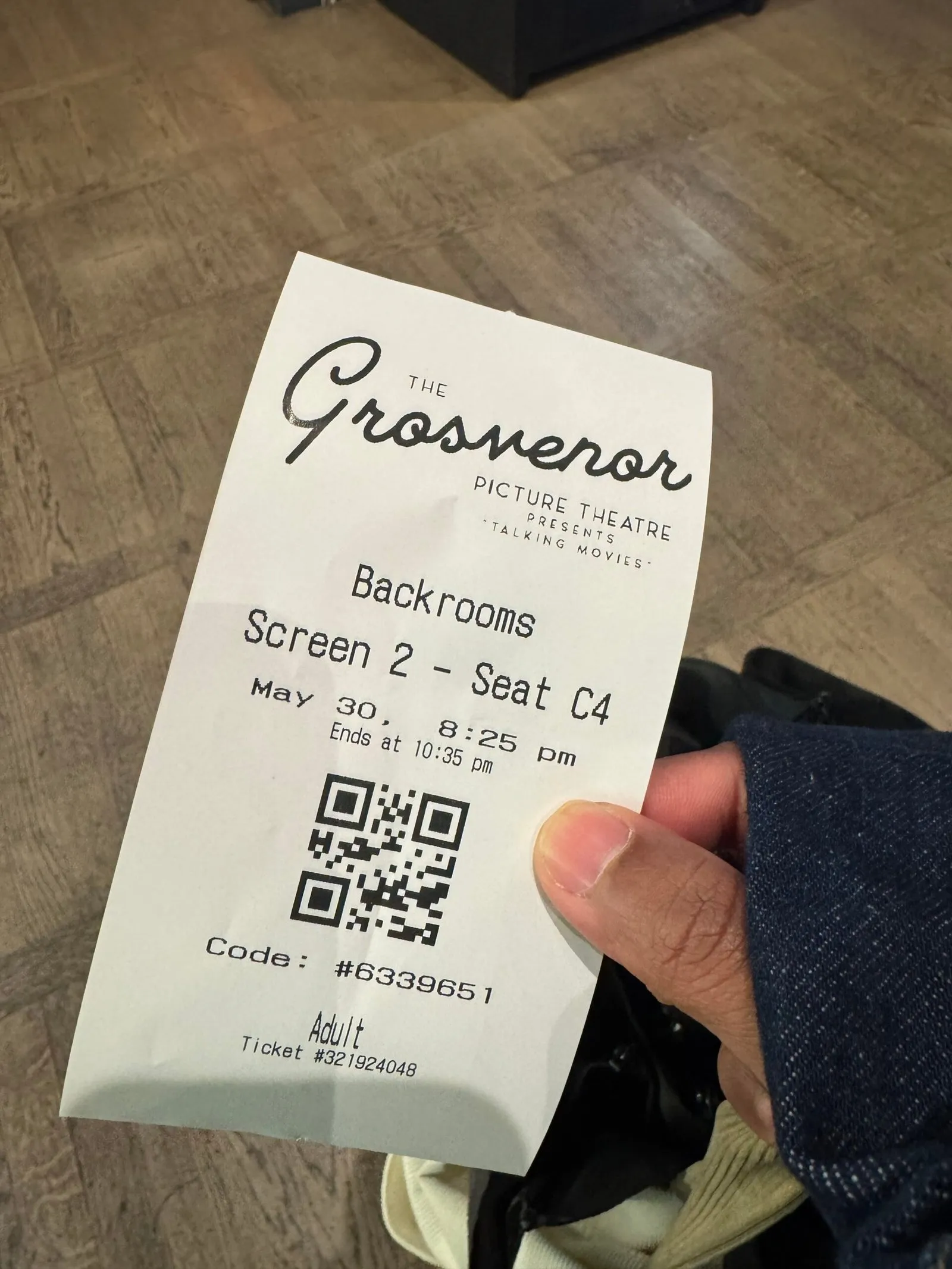
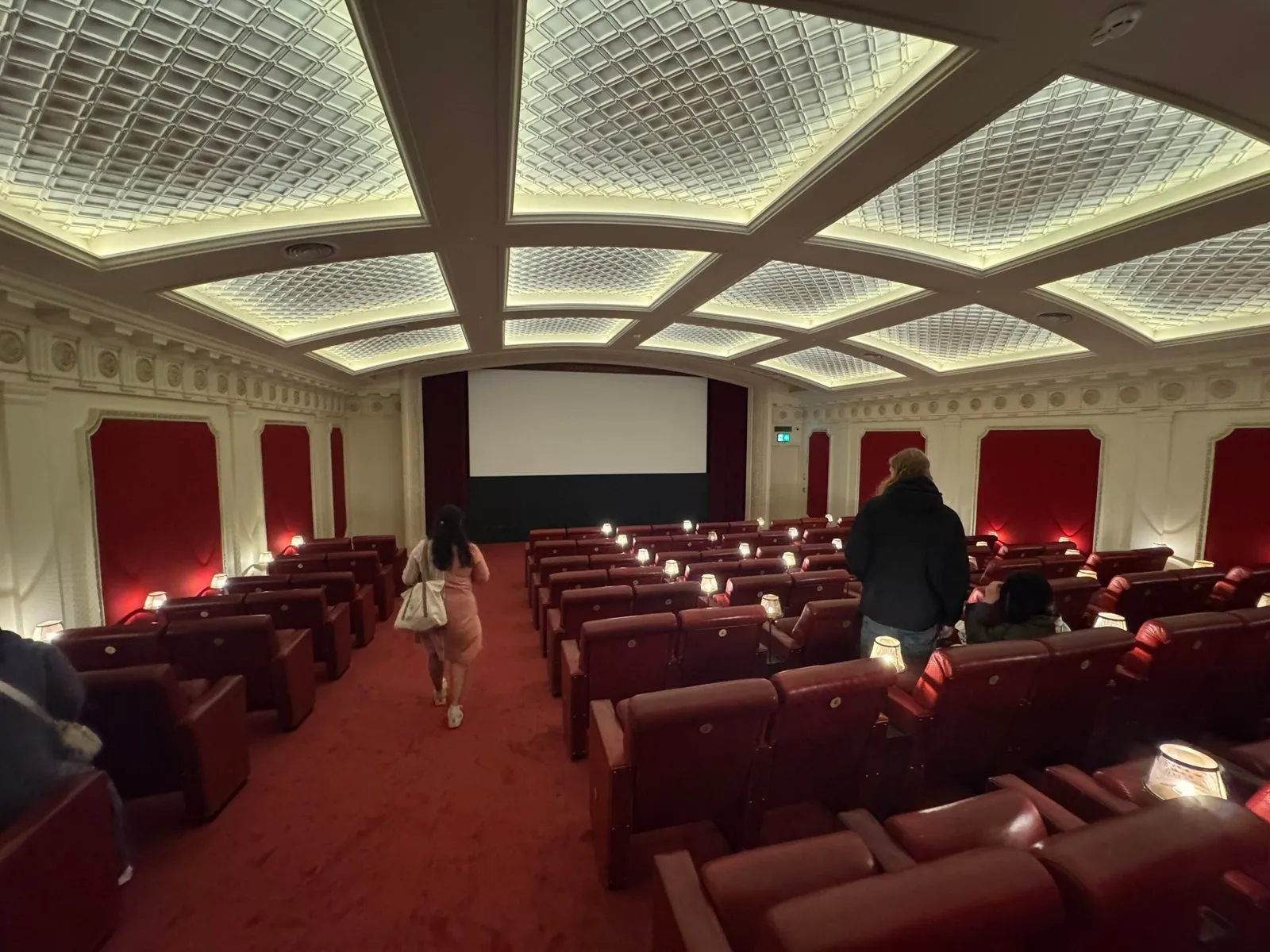
While it may be lucrative, I’m not convinced that the location of this cinema (neighbouring a number of very busy bars) is conducive to attracting the most well-behaved cinema-goers. The code violations I witnessed on a single visit were simply too many and too extreme to tolerate. I don’t imagine I would be back.
The film itself was quite good, however. Very creepy and very well made.
Sunday
The National Gallery
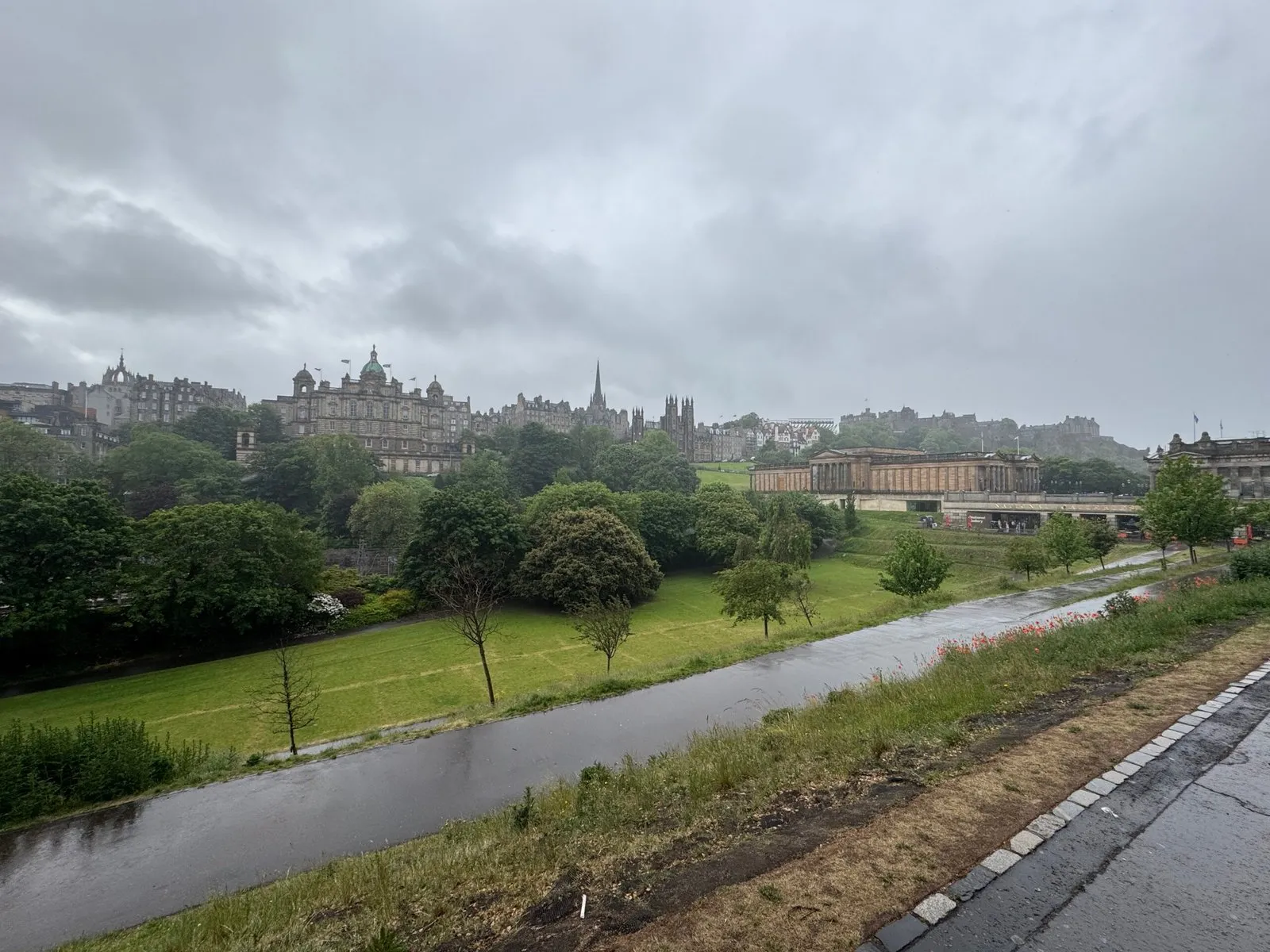
On Sunday morning we took the train to Edinburgh; the plan was to visit the National Gallery. It had been raining that morning, but not enough to deter the multitudes that arrive every day to admire the best of Scottish art and an excellent collection of art from around the world, all displayed free of charge, across four extensive floors. The Good Lady had been here previously, but it was my first time. We could have easily spent a few days there, but we only had a few hours. I had gone off programme a bit the day before and run for more than 25 minutes on a treadmill (the hotel had a free gym; I wanted to make the best of it!), so I wanted to rest up a little before heading to the gig in the evening.
Big Thief
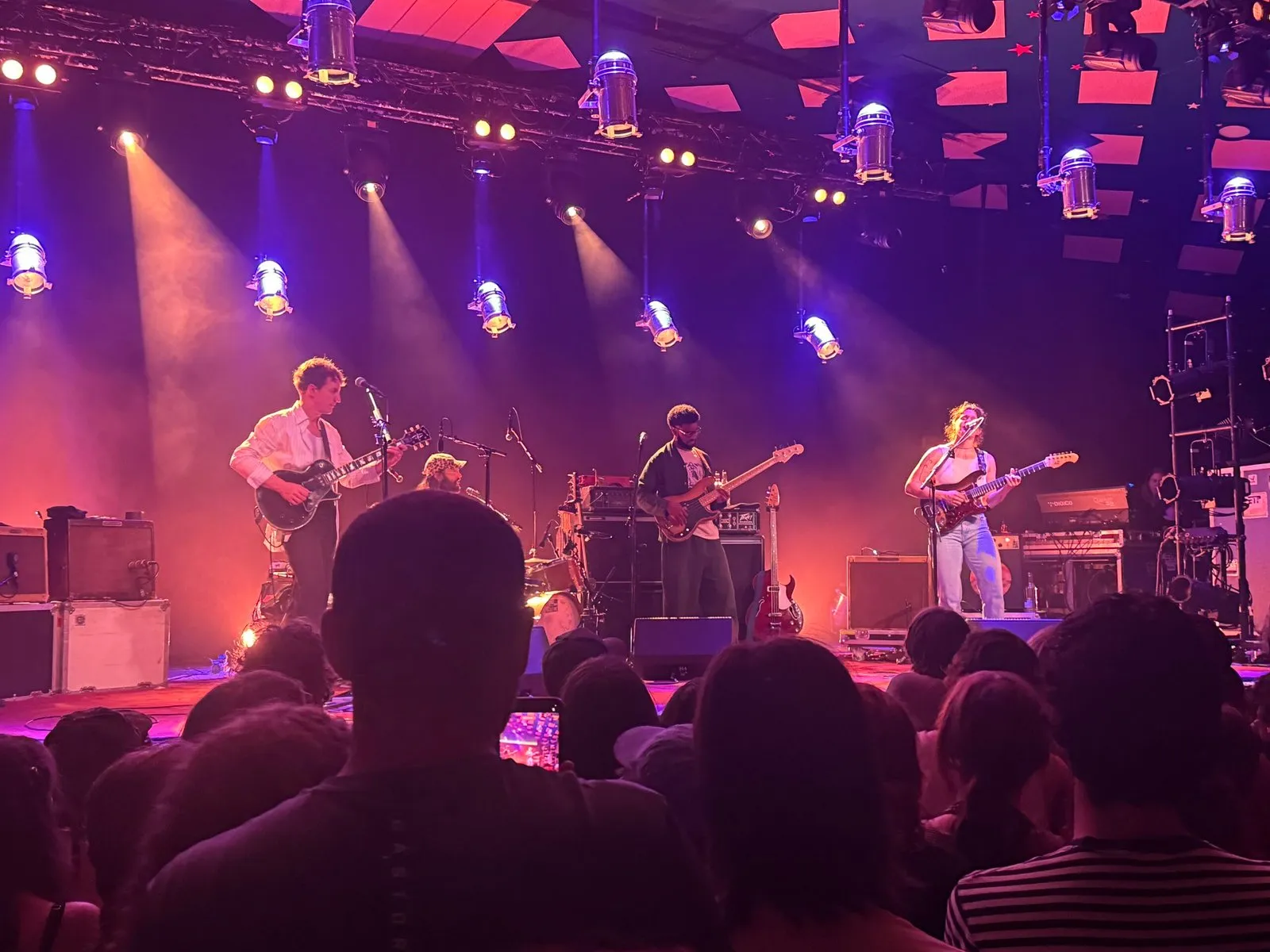
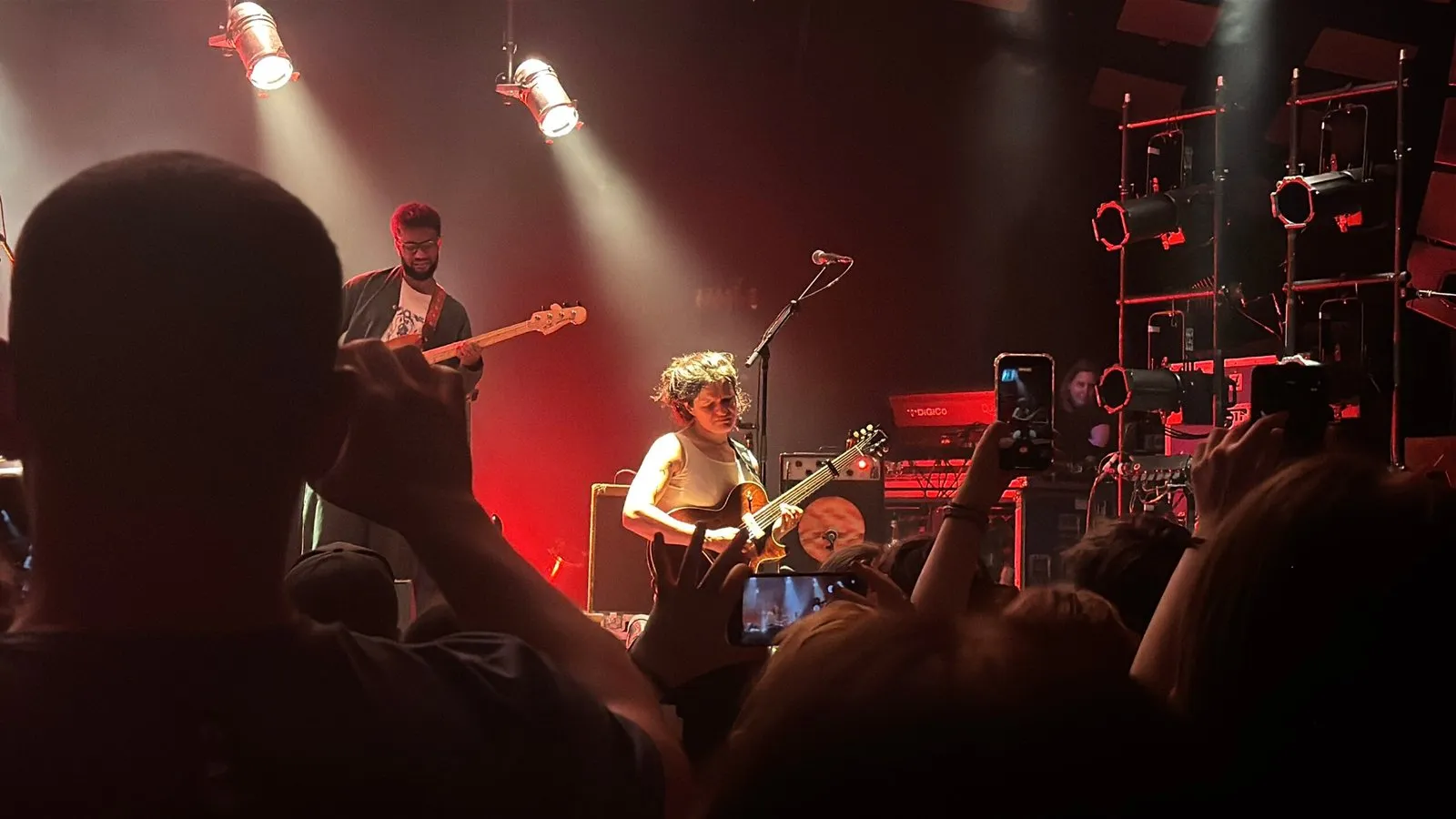
Barrowland was a 15-minute walk from our hotel. I made my way there around 7pm, just in time for doors. A long queue had already formed around the block by then. They started letting people in shortly after I joined it, and I was fortunate enough to get quite close to the stage. Perhaps not as close as I would normally have liked to be, but I wasn’t worried. I could still see the band quite well and read the labels on the gear (which is something I like to do at every gig I go to) without straining my eyes.
Ata Kak opened the show with some energetic music that had everyone dancing. I had not heard of him or of his music before this. It was a pleasant surprise.
Big Thief took the stage around 9pm. They performed a mix of new and old tracks, including my favourites Mary (from the album Capacity) and Not (from the album Two Hands). I posted a video of their performance of Not on my /Gigs page; it was every bit as powerful as I had hoped it would be. The audience was abuzz with a palpable energy that night; I must say I enjoyed every minute of it.
Monday
Glasgow Necropolis
The famous Glasgow Necropolis was a short walk from our hotel. It is situated quite close to the Glasgow Cathedral which we were planning to visit and is an important piece of the city’s history. Since the 1800s many prominent Glaswegians have been buried there, with grand monuments erected in their memory. Like many other major Victorian cemeteries, it is laid out in the form of a botanic garden; this was the part I was most interested in.
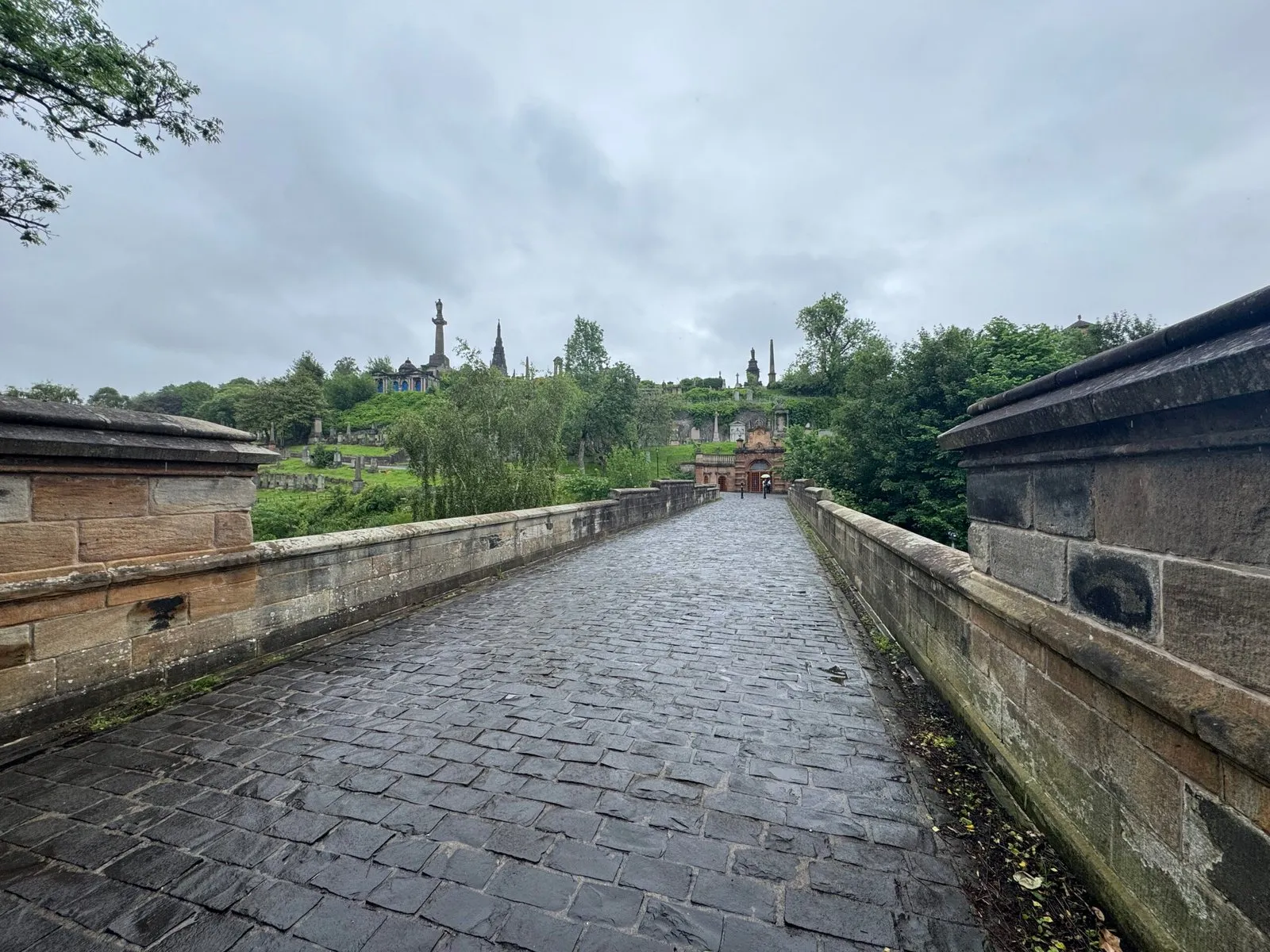
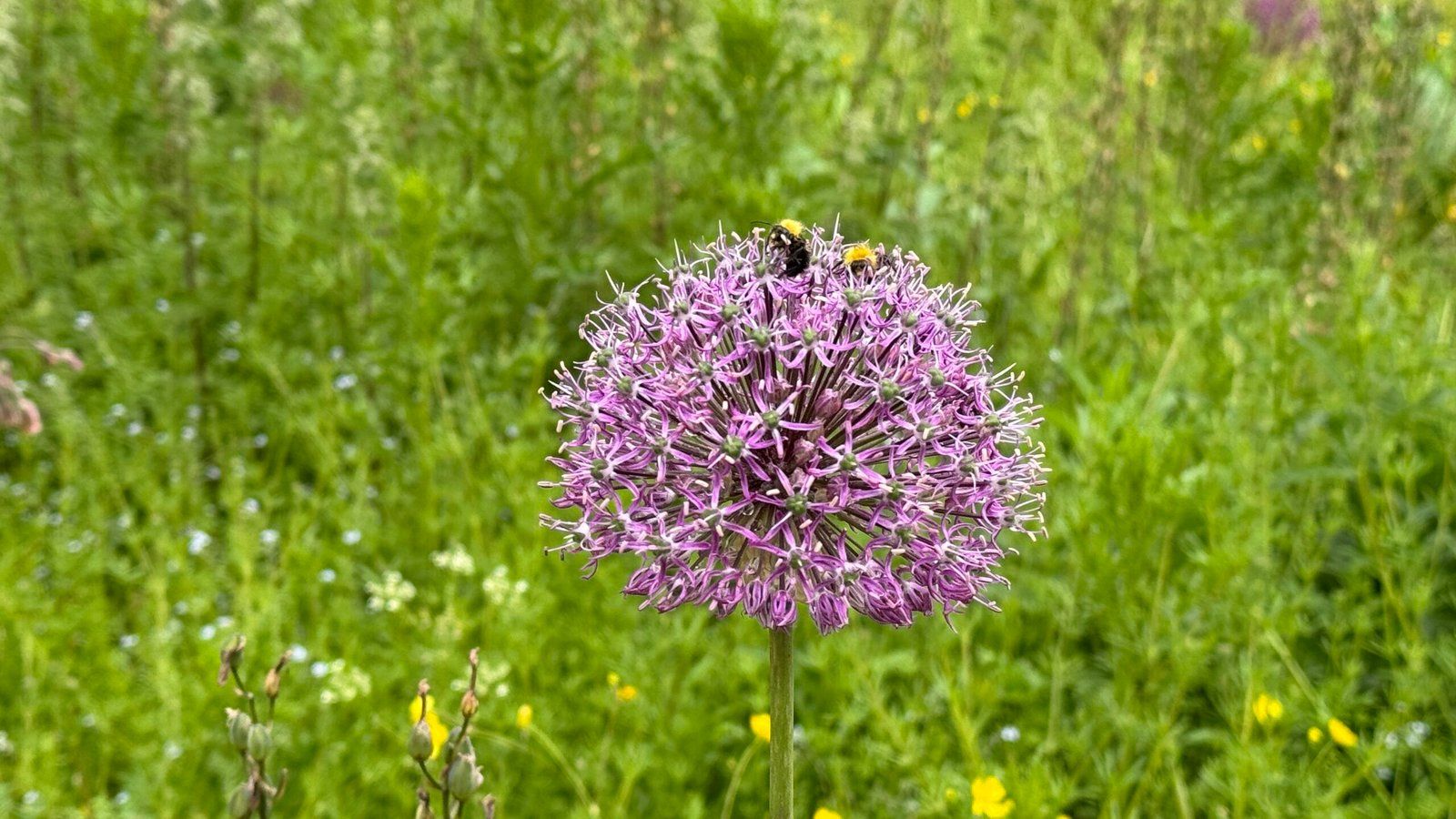
While it is by design a resting place for the dead, there is a lot of life to be found in these grounds. It is by no means a desolate graveyard. Bees buzzing around the flower beds, squirrels in the trees, and the constant birdsong in the air make it an ideal place for quiet walks, absorbed in deep contemplation if you are so inclined. But the city is only a few minutes away, and its sounds do penetrate the invisible walls of this unlikely sanctuary occasionally—nothing like a loud car horn to remind you of the never-ending pursuit of industry.
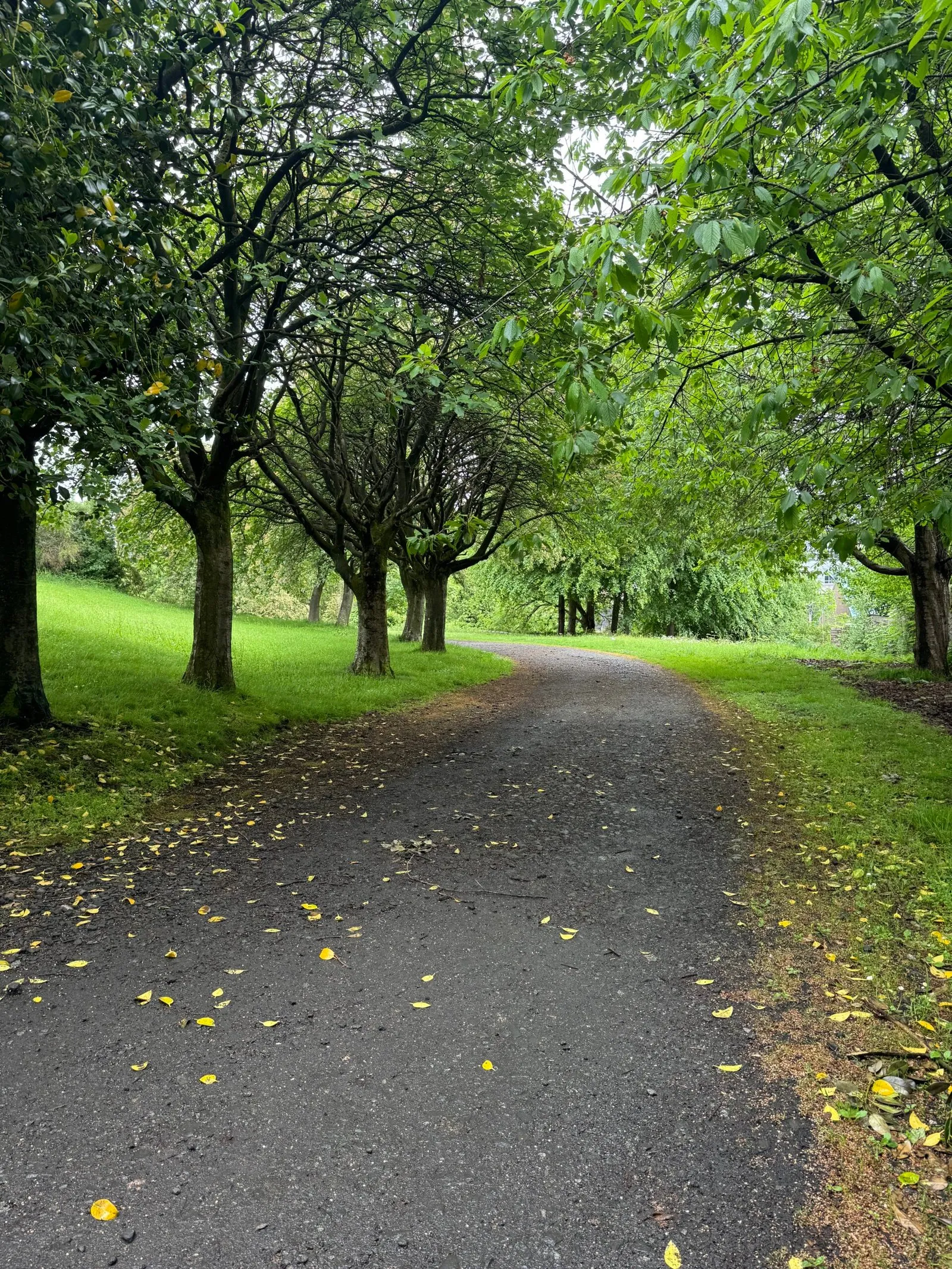
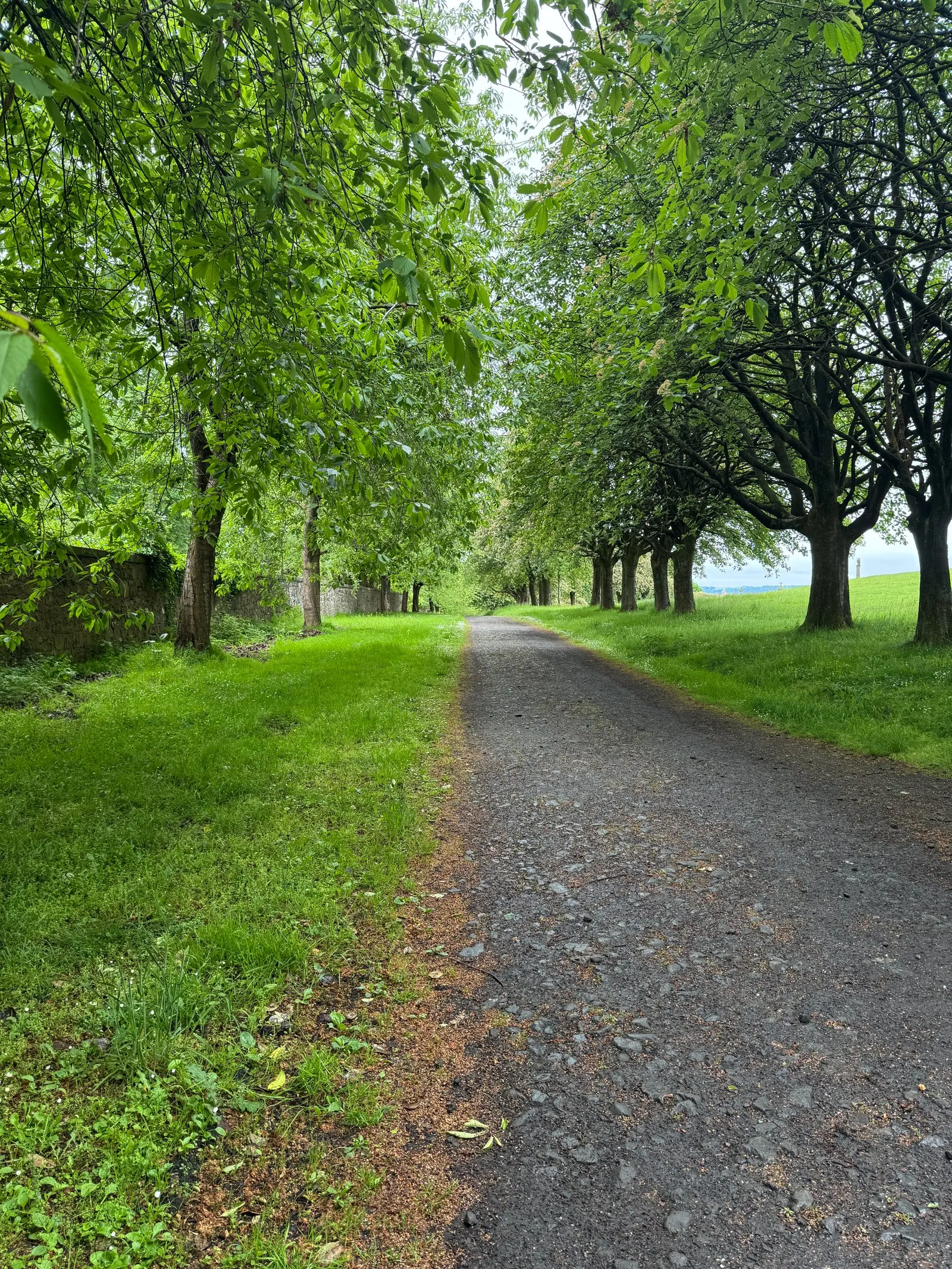
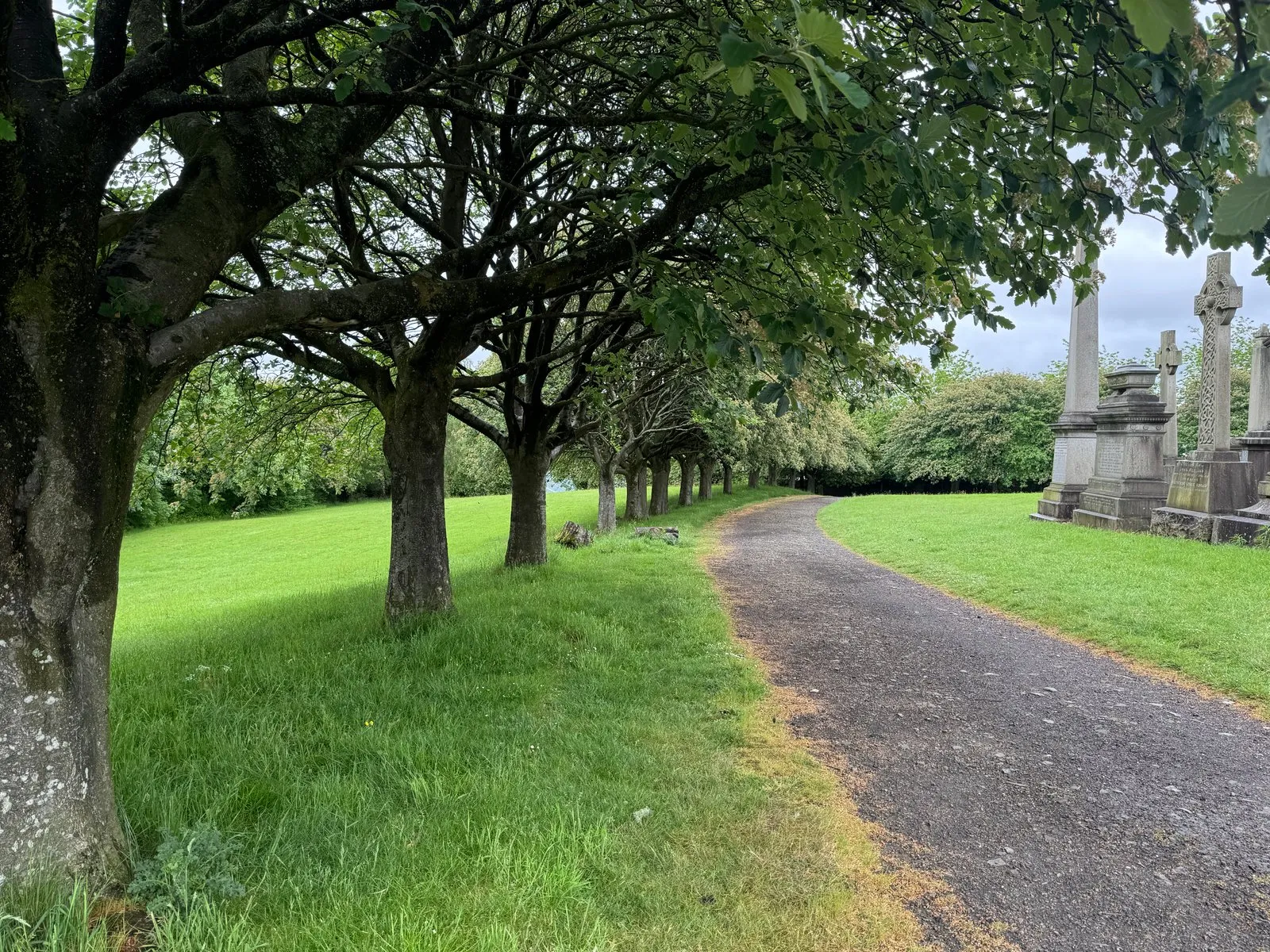
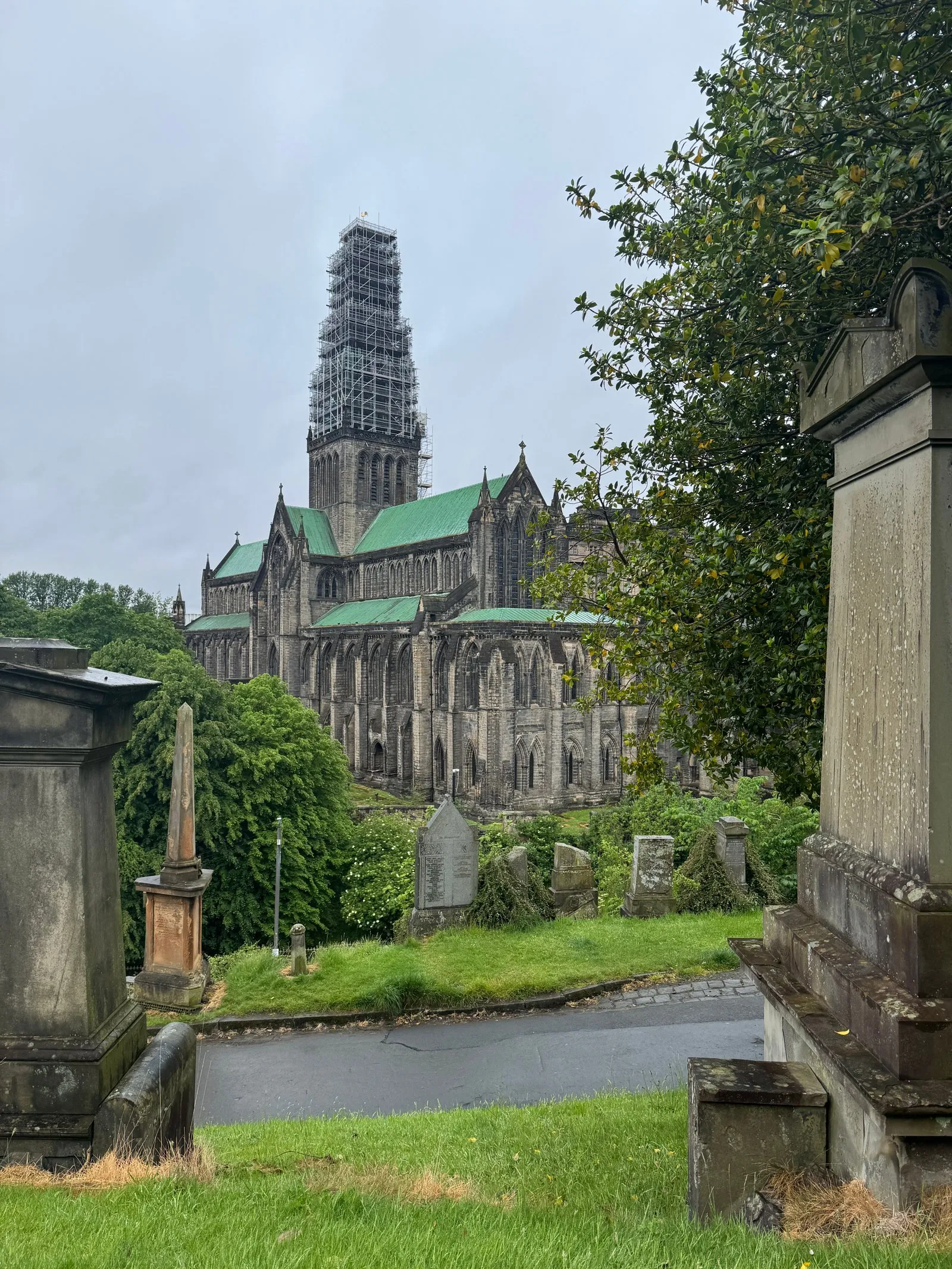
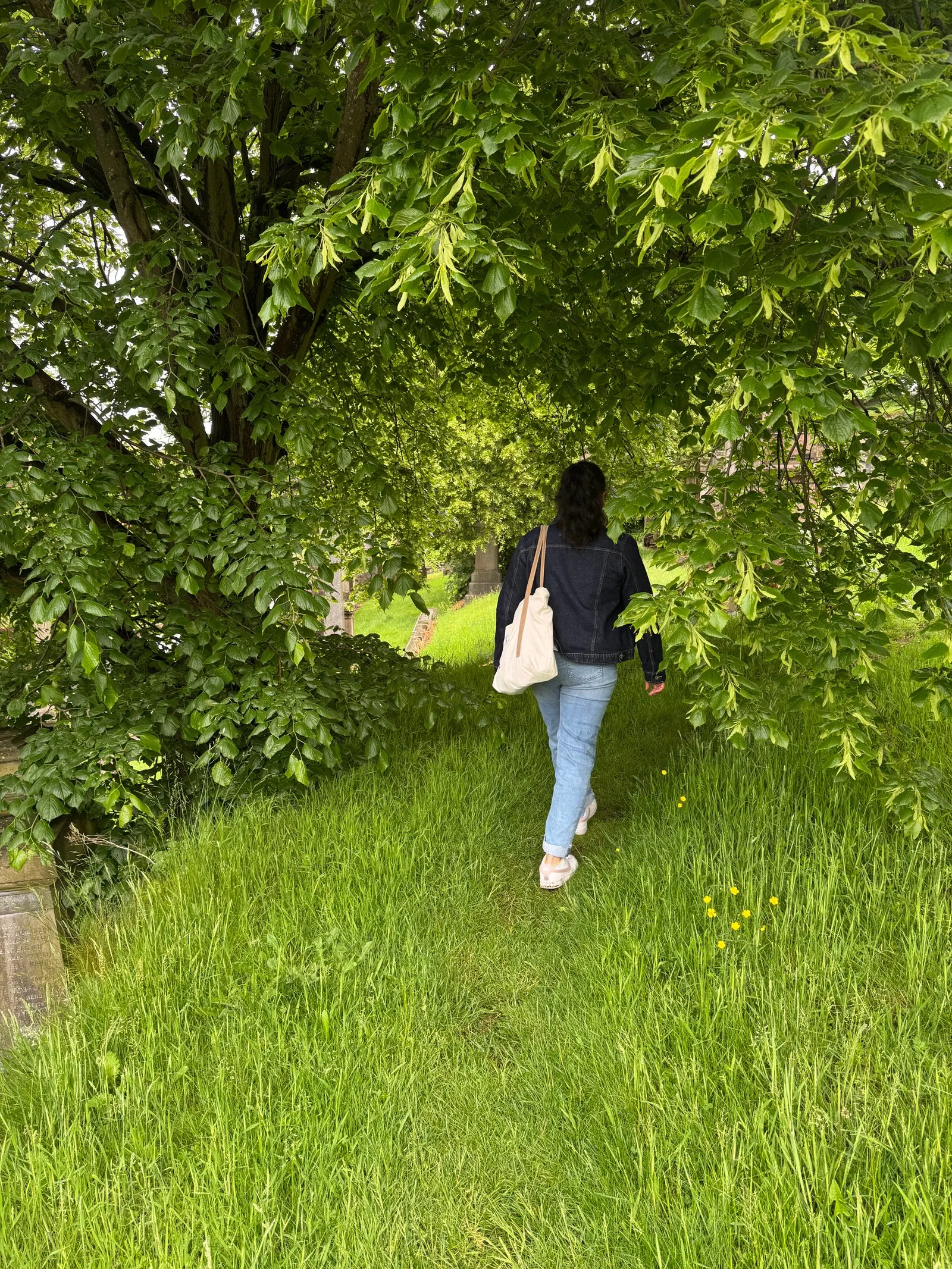
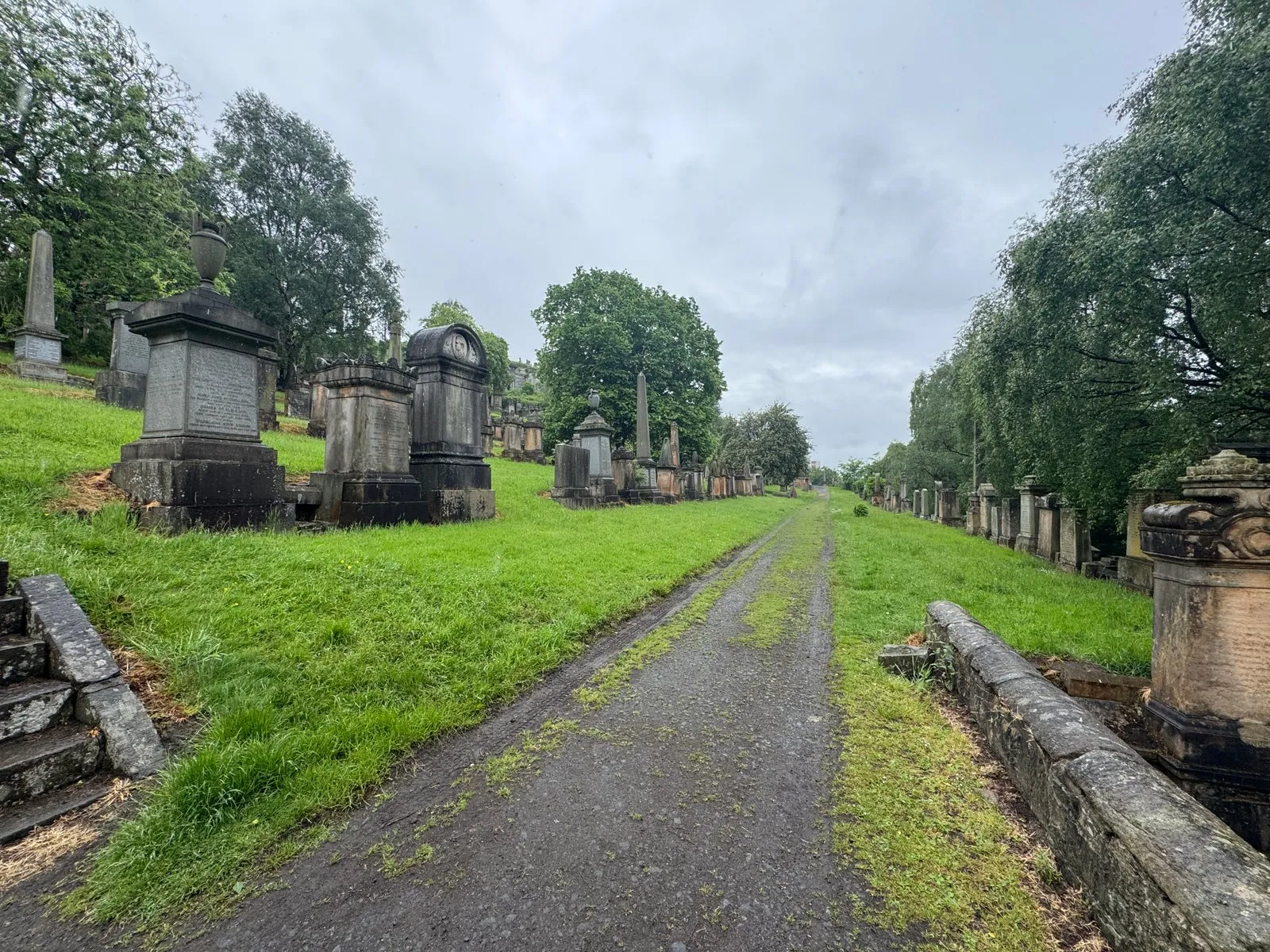
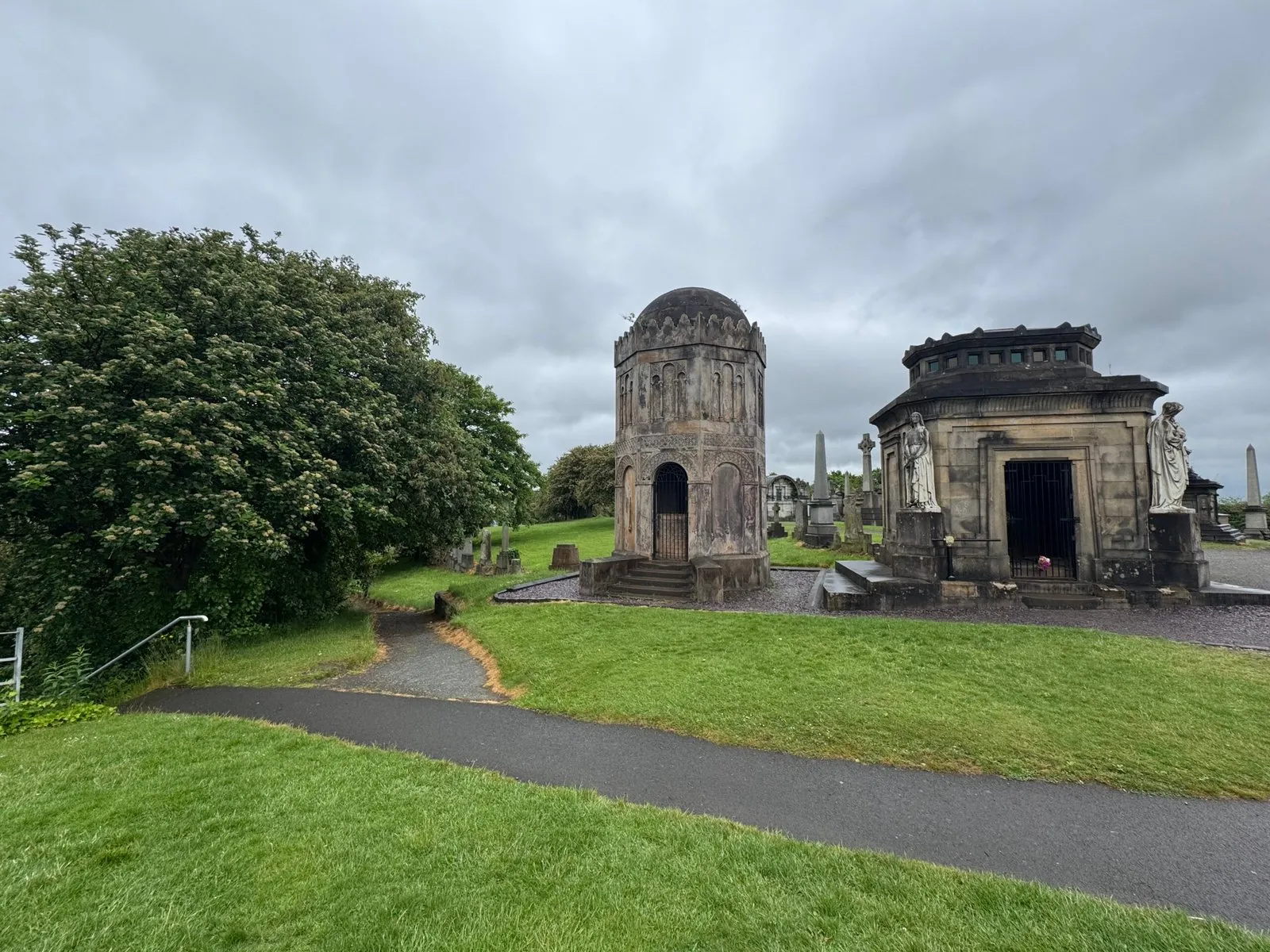
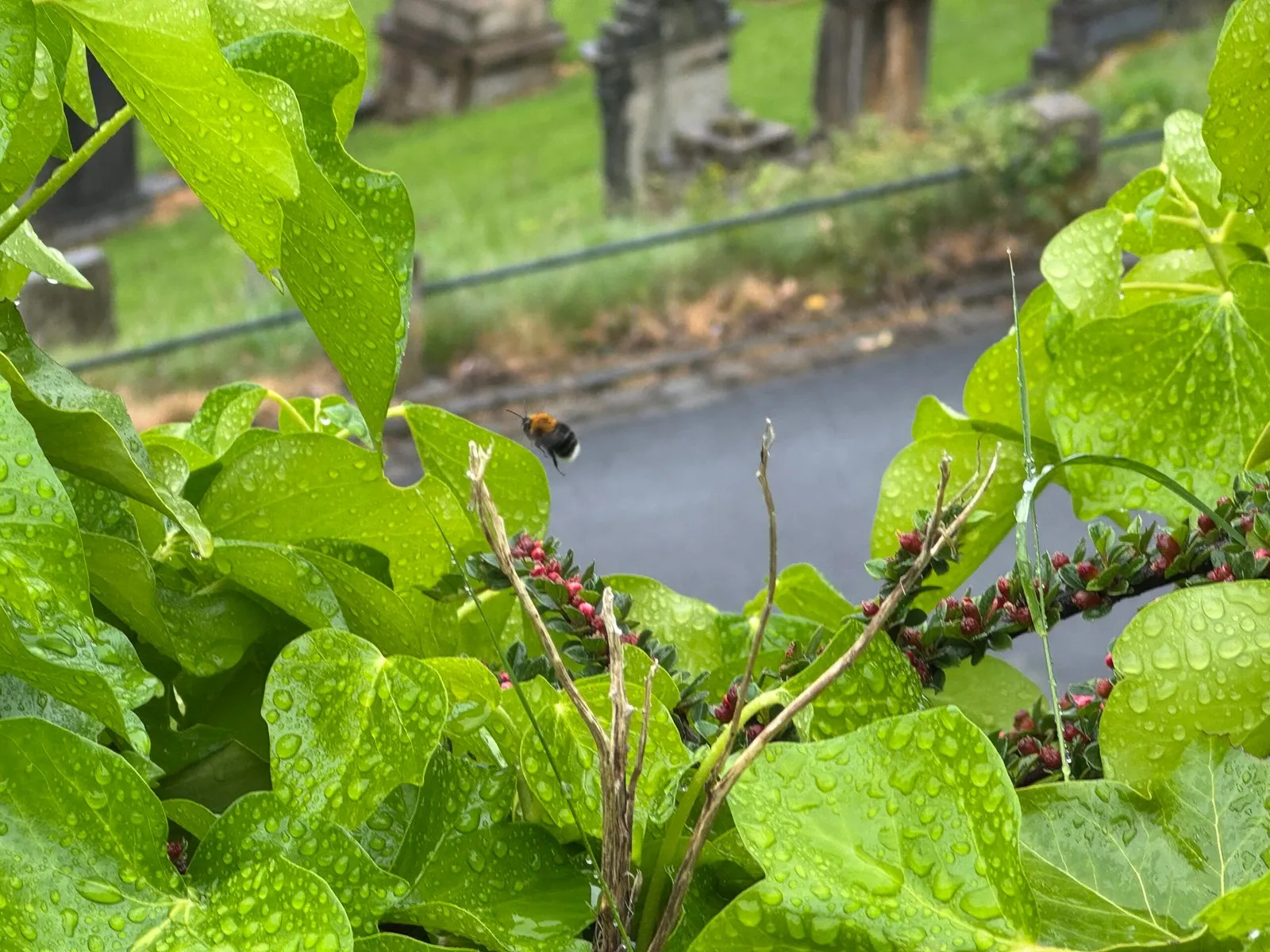
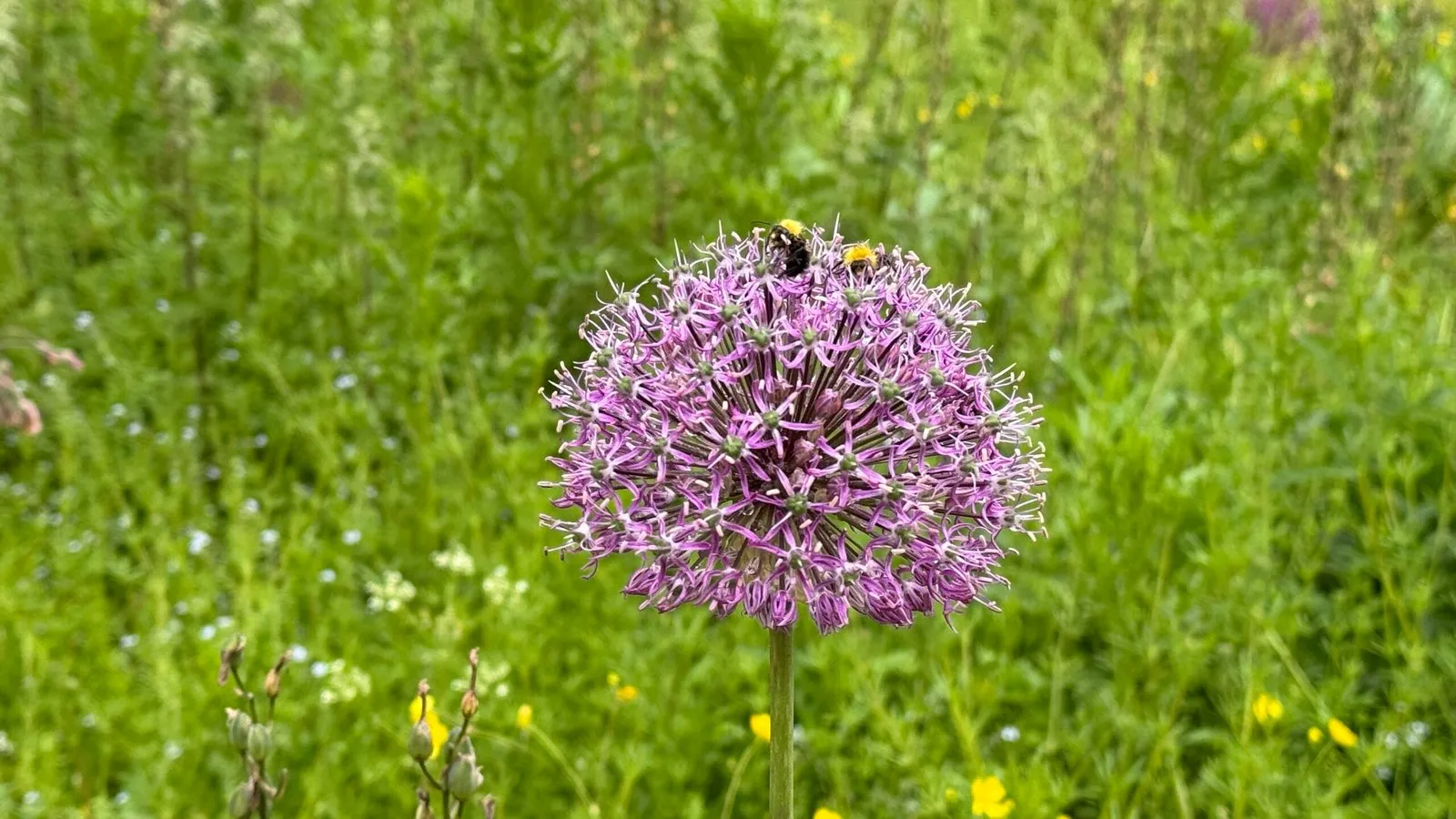
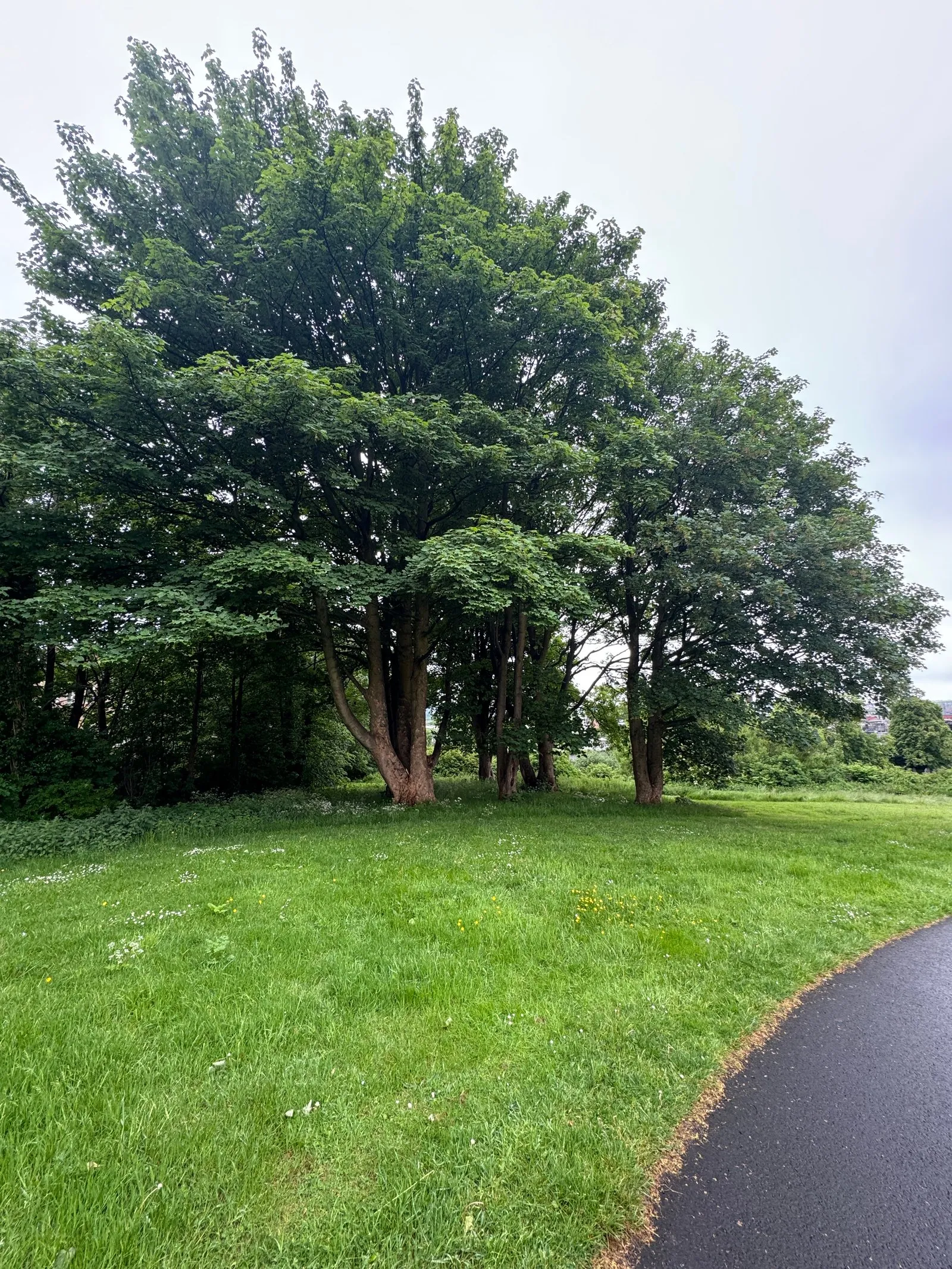
The necropolis is built on a small hill. At the top, on a large column, is a statue of John Knox, a theologian who played a prominent role in the Scottish Reformation. Standing at the foot of the column you can see the grounds stretch in all four directions, peaceful, quiet, and impossibly green.
Glasgow Cathedral
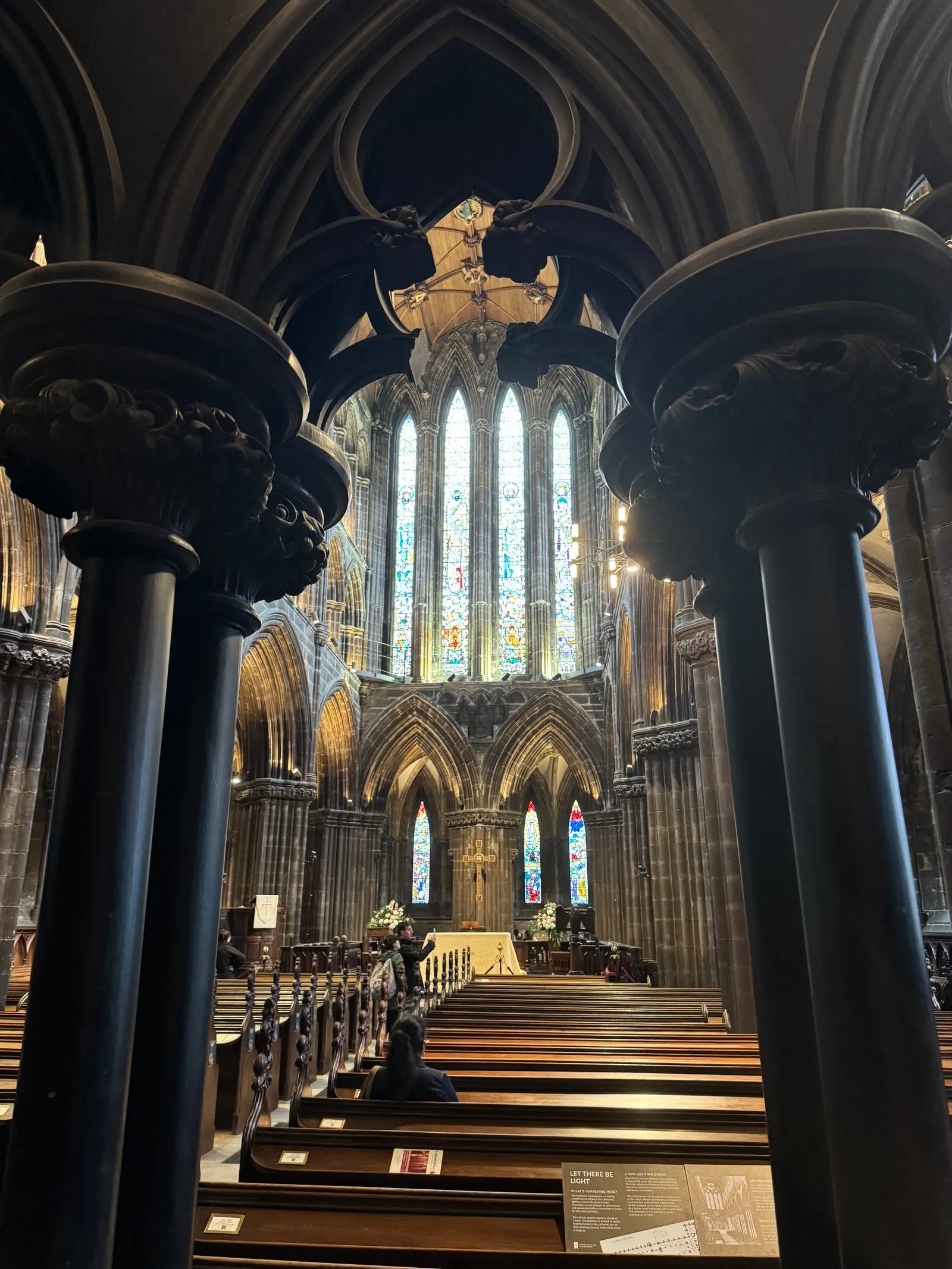
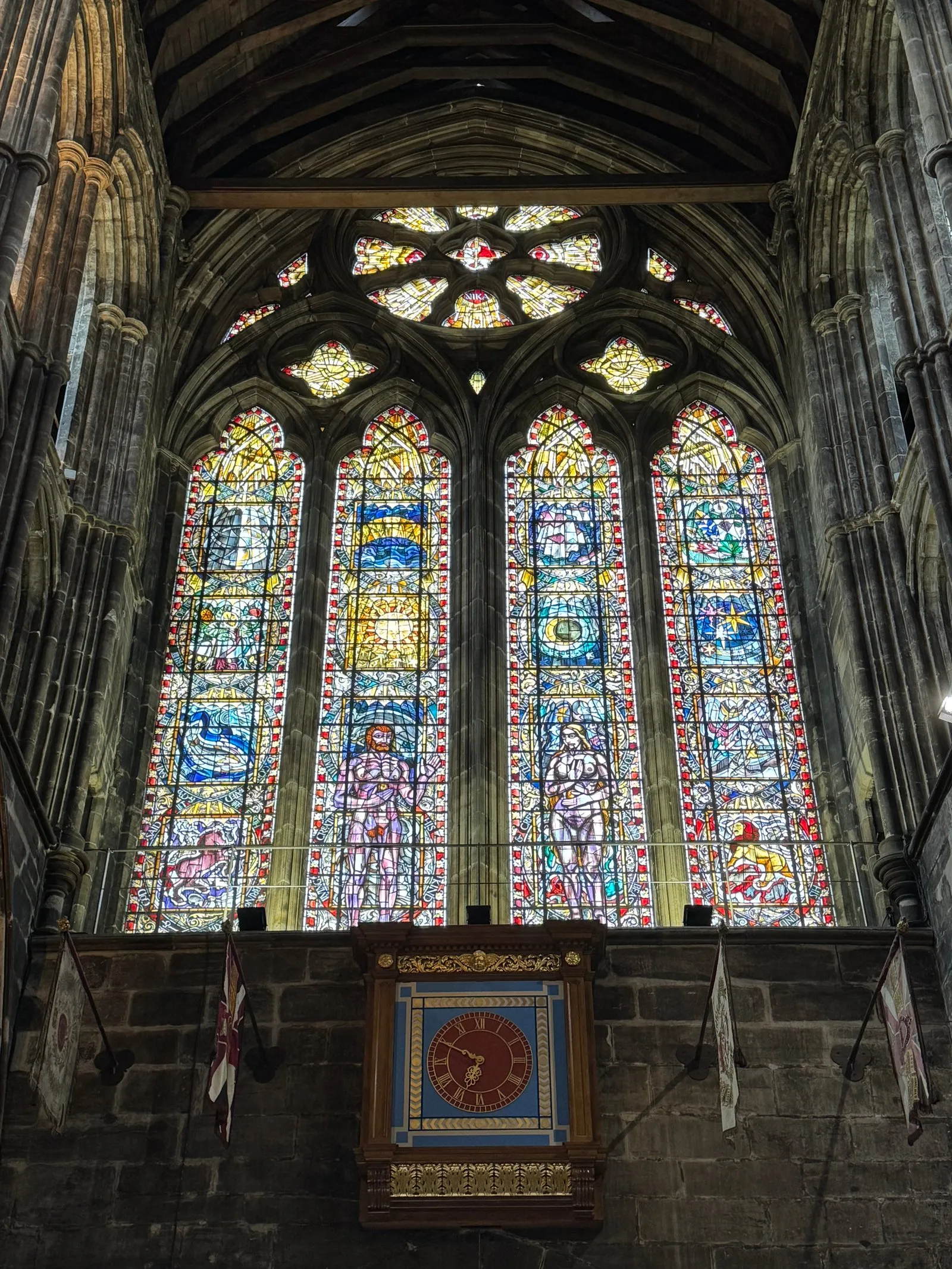
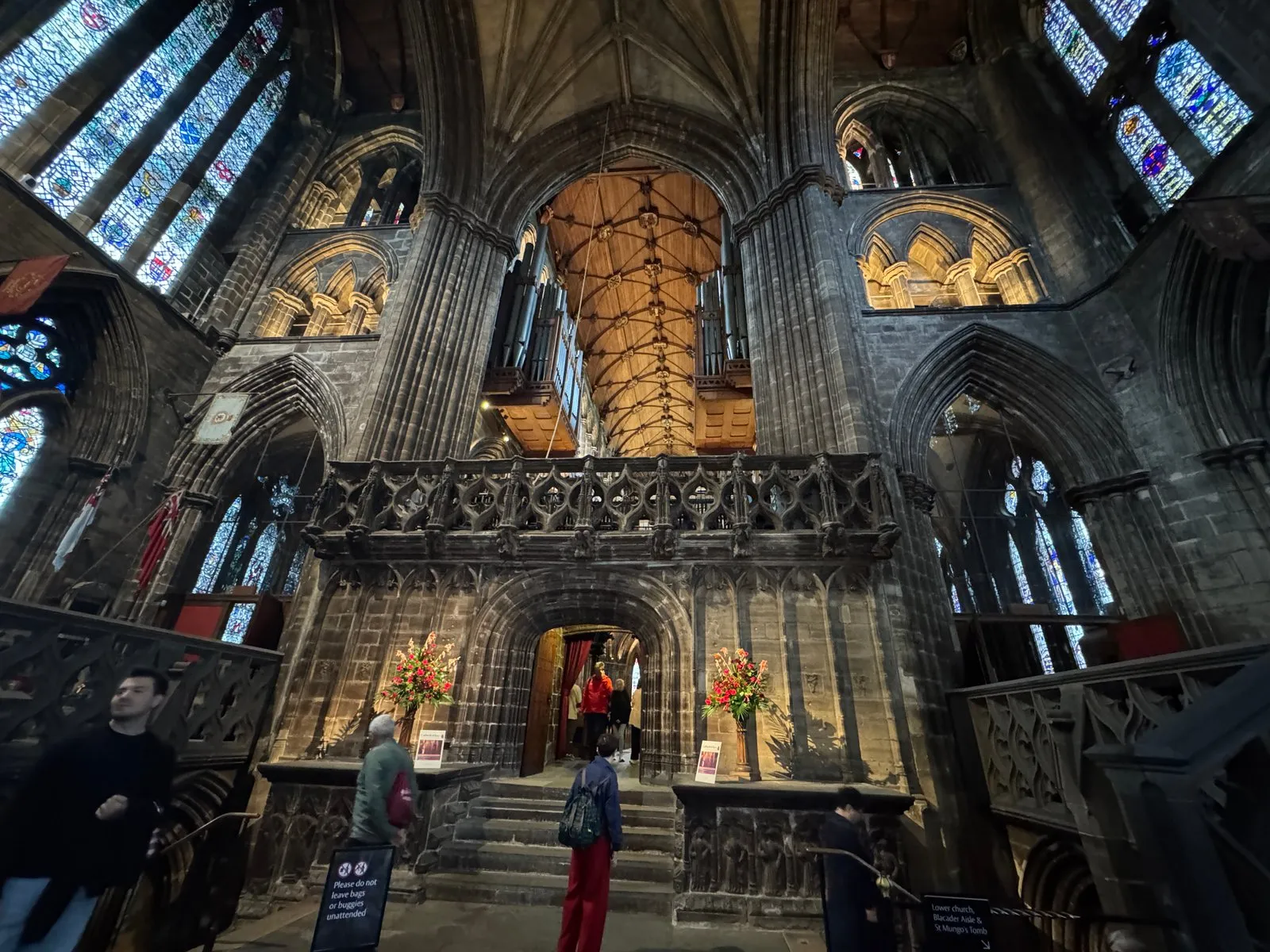
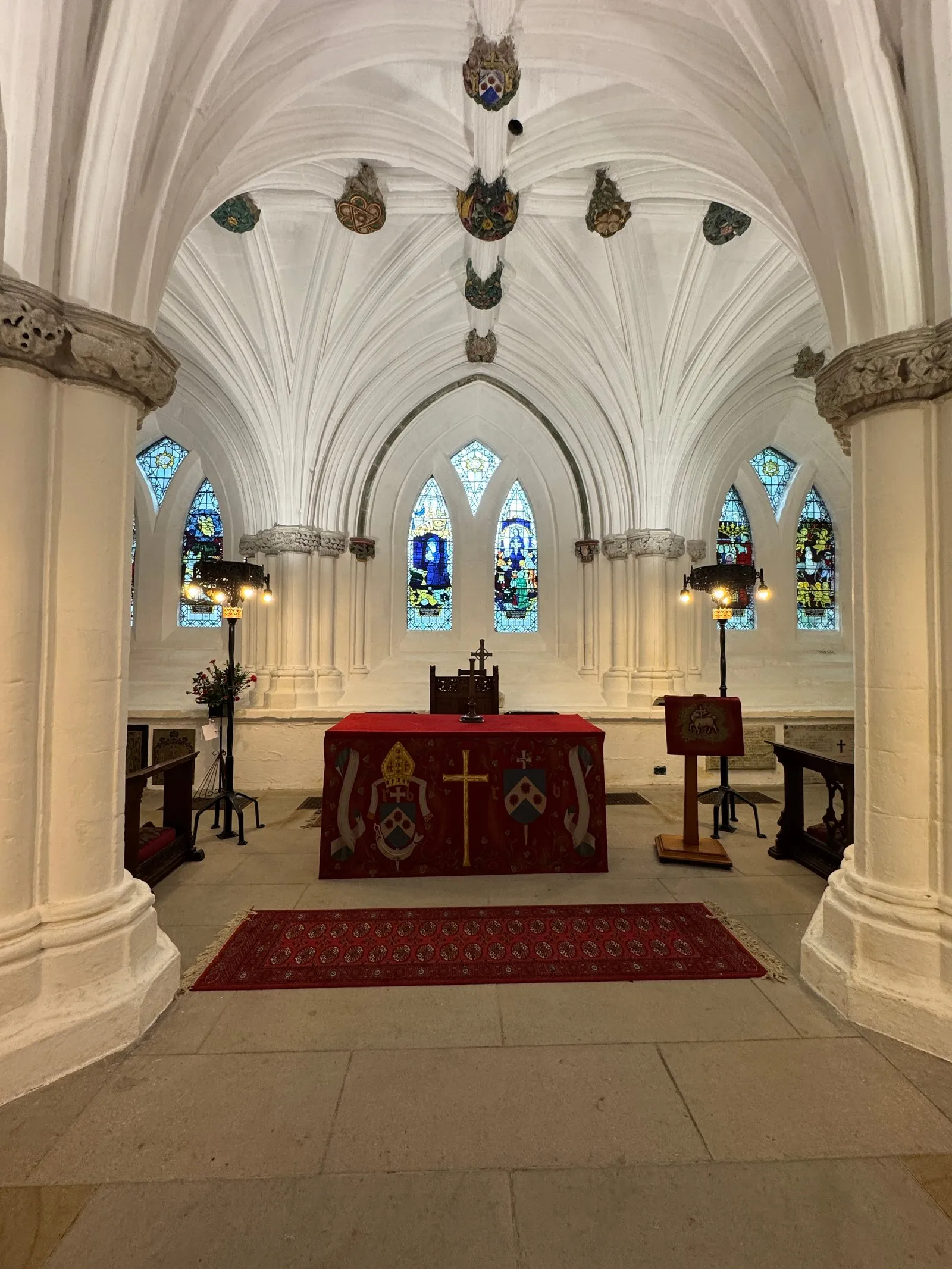
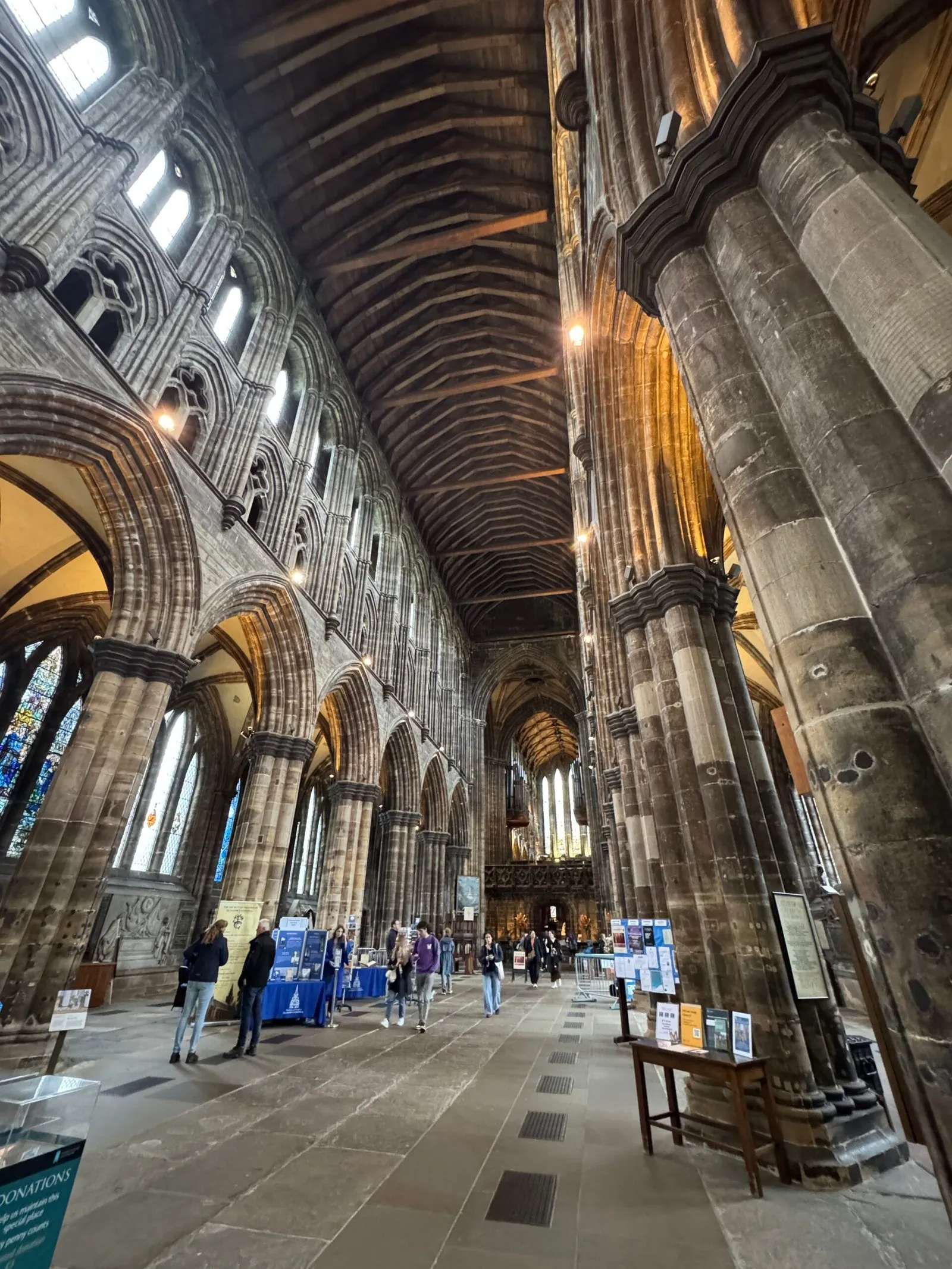
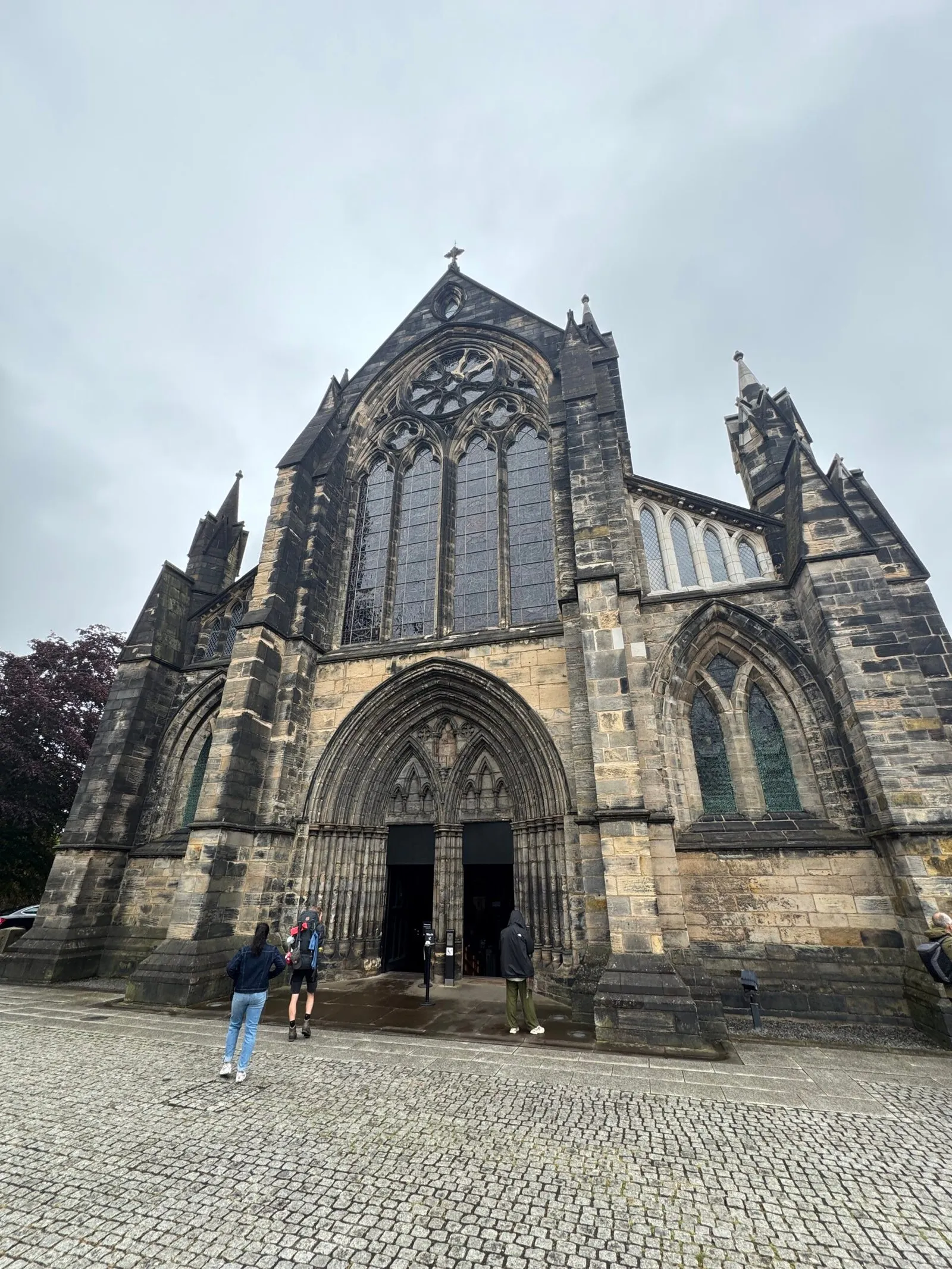
This impressive cathedral, first built in the 1100s, has undergone several renovations under many Bishops over the years. It is dedicated to Saint Mungo (also known as Saint Kentigern) whose tomb it enshrines. It had served as an important pilgrimage site during the medieval period. Importantly, it survived the Scottish Reformation virtually intact, while many other churches were stripped of their status and destroyed as the Protestants rebelled against traditional forms of Catholic worship.
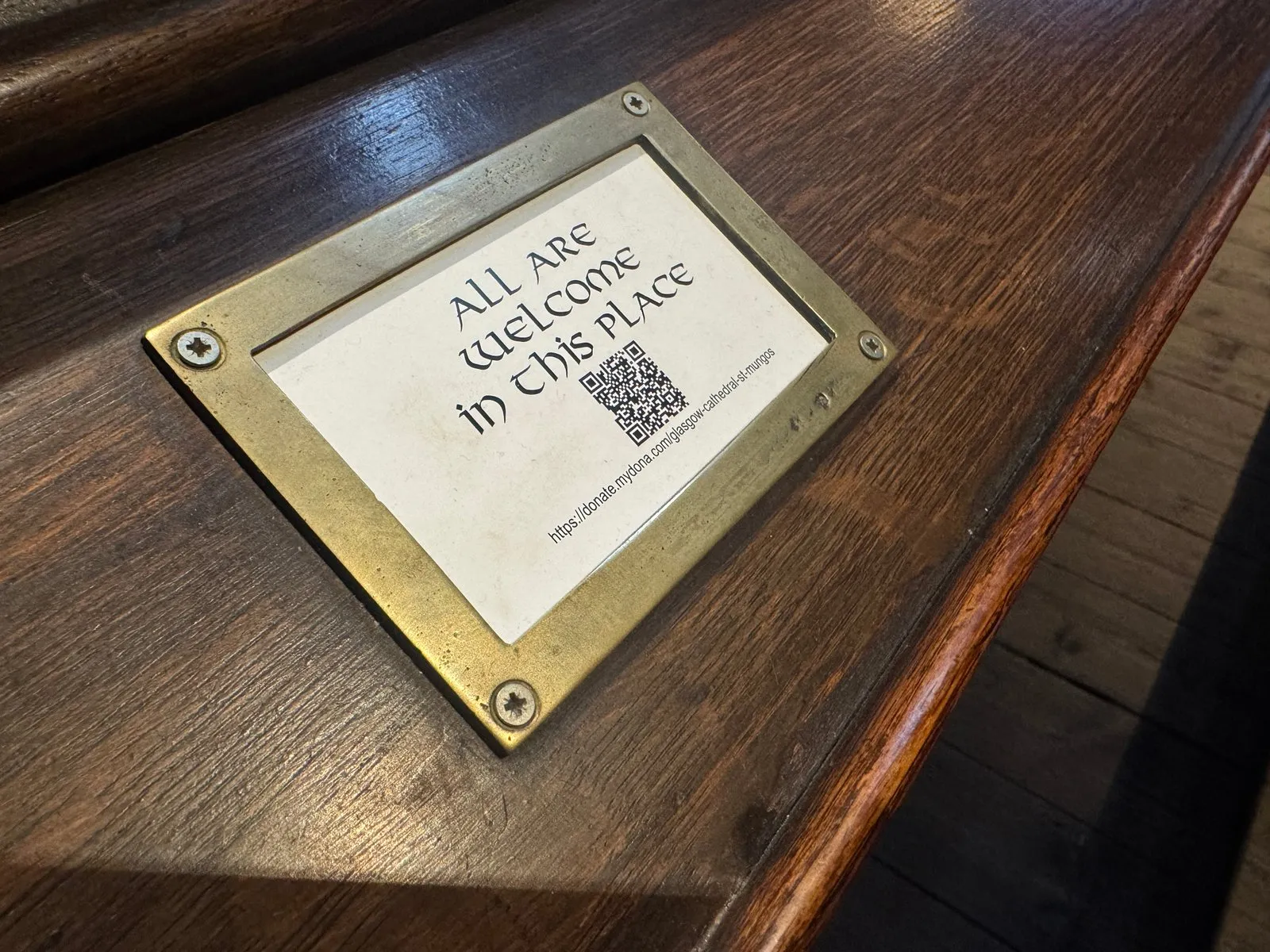
Christian architecture fascinates me because I find its mere existence impossible to comprehend. How can such beauty and grace be imbued into places built in the service of a capricious god? How are the same people capable of committing unspeakable atrocities in the name of their god also be skilled in producing wondrous monuments to him? While impressed by the craftsmanship and artistry of it all, I remain staunchly irreligious, but even I must fess up to the following, albeit reluctantly: Christianity ain’t all bad; it gave us beautiful cathedrals (and Martin Scorsese).
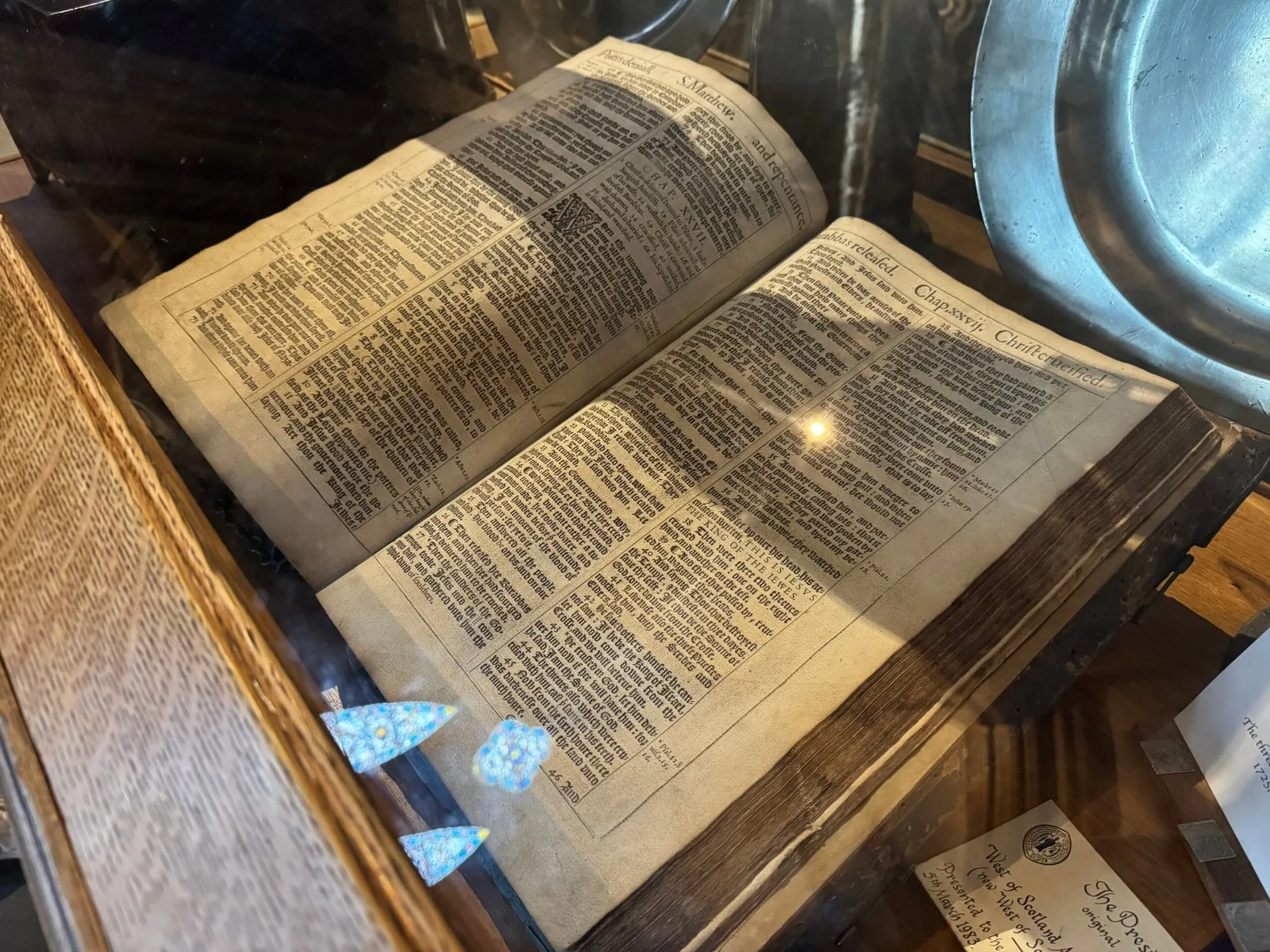
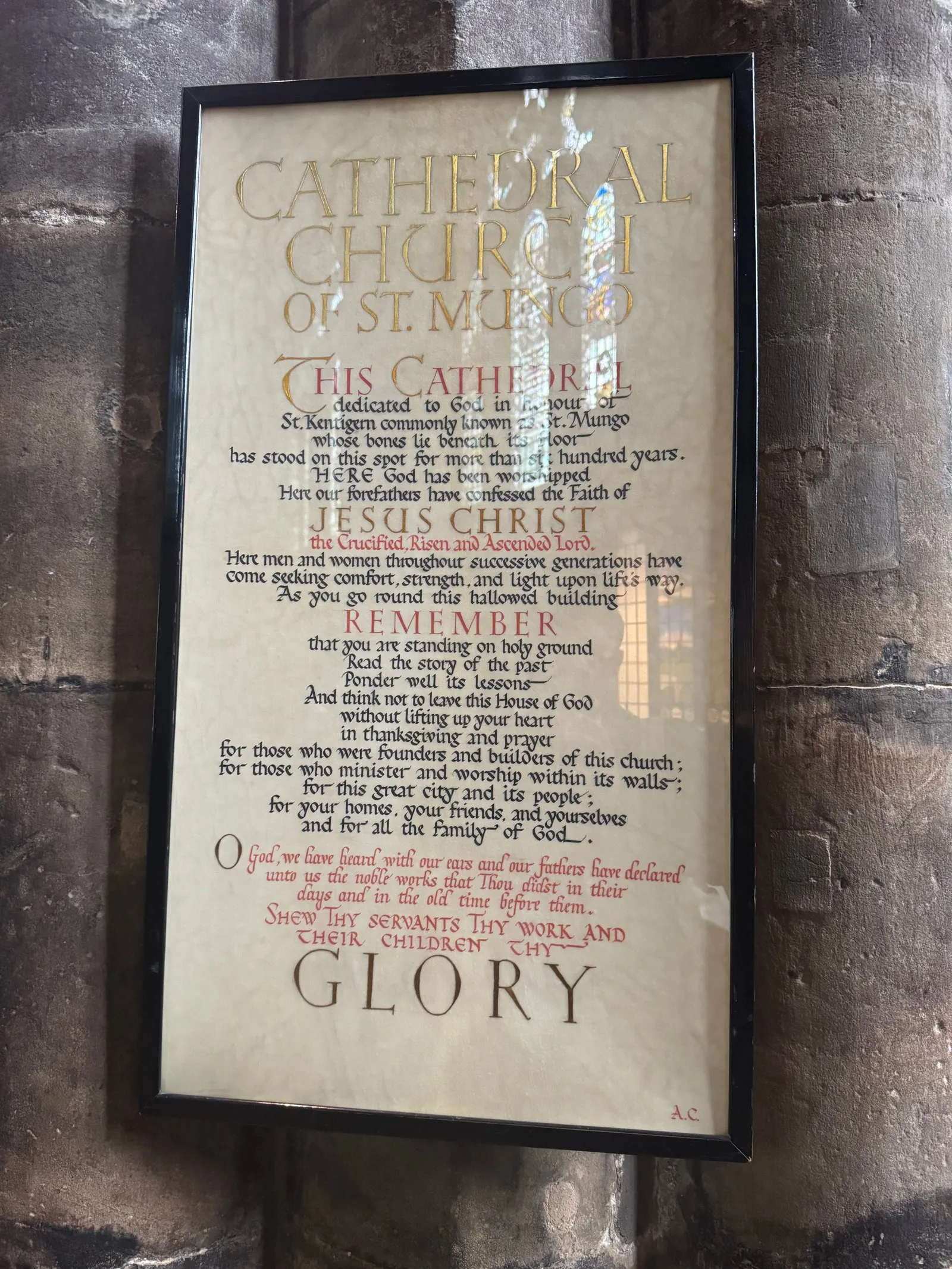
St. Mungo’s Museum of Religious Life and Art
This small museum is located right next to the cathedral. It showcases the beliefs and rituals of several major religions around the world, told through numerous artefacts, audio and video exhibits, and excerpts of interviews with representatives of each religious faith. Entry is free of charge. We were running out of time, so we didn’t get to see much of the museum. We will go back to see the rest of it some day.
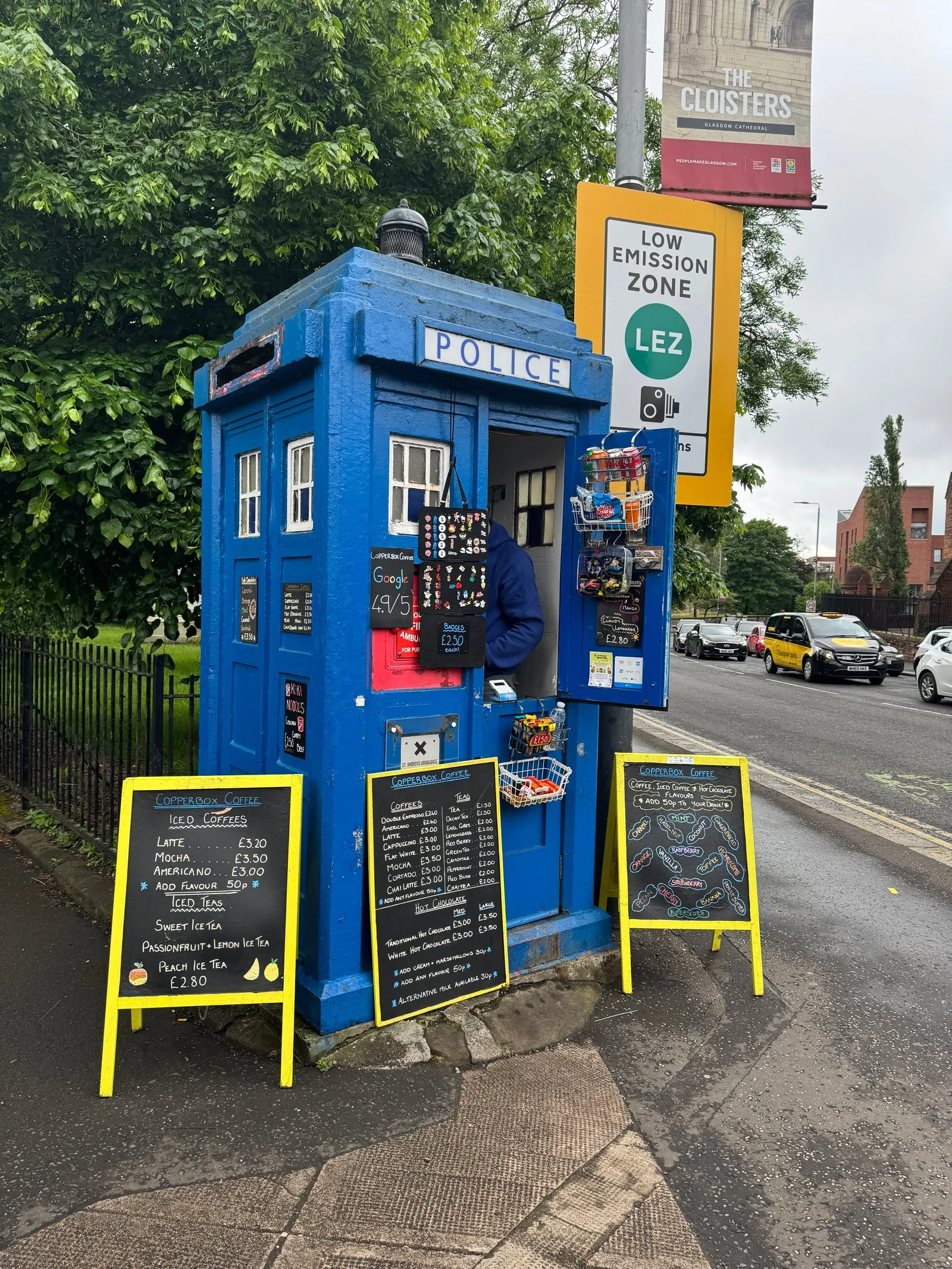
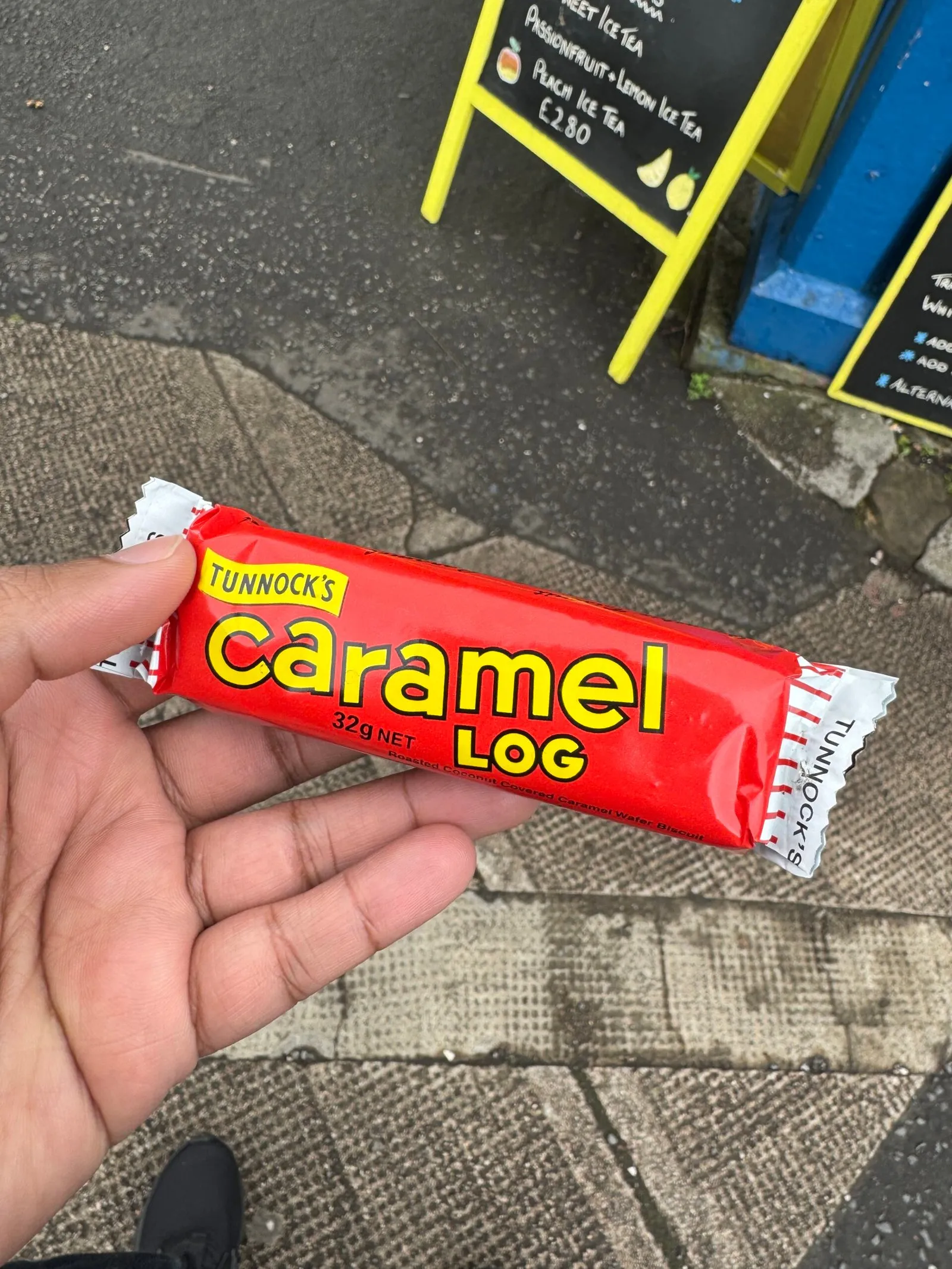
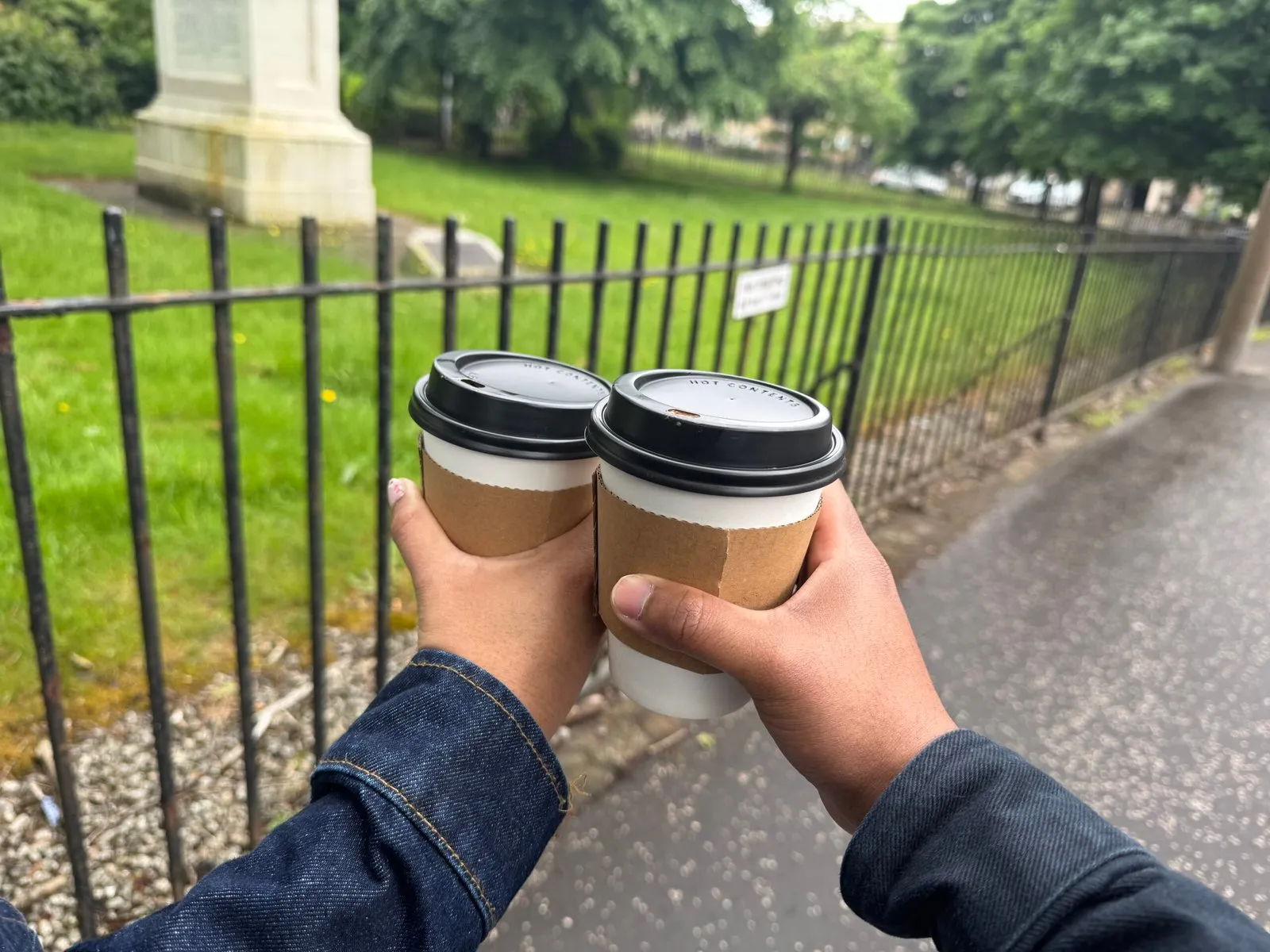
On the way back we noticed a coffee shop located in an old police box, TARDIS-style. It was getting colder and there was a light drizzle, so we got ourselves some hot chocolate to enjoy on the way back to the hotel. That morning I had read the post James wrote about Caramel Logs, which this coffee shop happened to be selling, so we bought two of them to try. James was right; they are excellent treats with a great flavour combination, and they certainly won me—someone who generally avoids caramel-flavoured food—over.
We took the bus back to the Glasgow airport and flew back home with full hearts. Scotland is a place of many delights; we aim to go back very soon.
Reference this post: When referencing this post, I prefer to be called Thamara, Thamara Kandabada, or Thamara's Notebook.
Permalink: https://thamara.co.uk/notebook/2026/06/a-weekend-in-scotland